
Innovation Case Study: Climate Action Living Lab (2026)
Casey City Council
Community-powered climate solutions tested, proven, and ready to scale
The Climate Action Living Lab is a City of Casey initiative that delivered six real-world climate trials through co-design, experimentation, and cross-sector collaboration.
The program generated measurable environmental, social, economic, and innovation outcomes while building local capability, partnerships, and evidence to scale practical, community-driven climate solutions across the municipality and beyond.
2026 MAVlab Innovation Awards Finalist:
The Horizon Award for Future Climate Leadership and Action, supported by the Infrastructure Sustainability Council

Project goals:
Trial, validate and refine innovative, locally relevant climate solutions in real-world settings.
Address priority focus areas: biodiversity, climate resilience, and renewable energy.
Engage community, research, and industry partners in co-design and delivery.
Generate high-quality, place-based evidence to inform council policy, planning and investment.
Build climate literacy, confidence and agency across diverse community cohorts, including young people.
Test emerging technologies and approaches through low-risk, small-scale experimentation.
Establish and apply a shared impact measurement framework across all pilots.
Deliver measurable environmental, social, economic and innovation outcomes.
Strengthen local capacity to respond to climate change through collaboration and innovation.
Project team:
The Climate Action Living Lab was delivered by a small core team (1-2 staff) within City of Casey, responsible for program design, governance, partner coordination and evaluation.
Additional internal contributors supported specific components including communications, grant applications assessment, data provision, and subject matter expertise.
Delivery of the pilots was undertaken through six partner-led project teams, each bringing specialist expertise across research, community engagement and technology.
This distributed model enabled a high-impact program to be delivered efficiently, leveraging external capability while maintaining strong council leadership and oversight.
- Kara Stuart (Innovation Advisor, City of Casey) – Project Lead / Program Management
- Nicky Stecca (Innovation Advisor, City of Casey) – Living Lab Program Design / Living Lab Process Expert
- Pearl Ng (Head of Smart City, Innovation and Improvement, City of Casey) – Living Lab Program Design
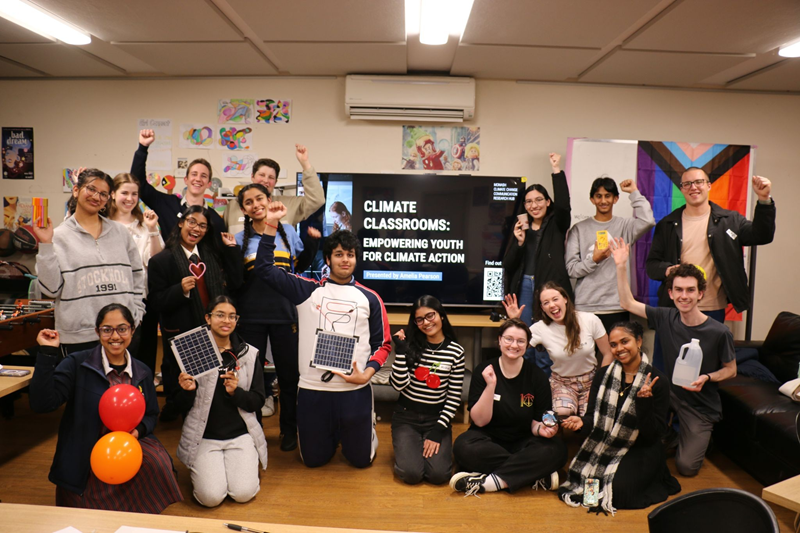
- Monash Climate Communication Research Hub – Delivery Partner (Empowering Youth for Climate Action)
- Royal Botanic Gardens Victoria – Delivery Partner (Raising Rarity)
- Federation University Australia – Delivery Partner (UV-C Weed Control)
- Western Port Catchment Landcare Network – Delivery Partner (Bandicoot Buddies)
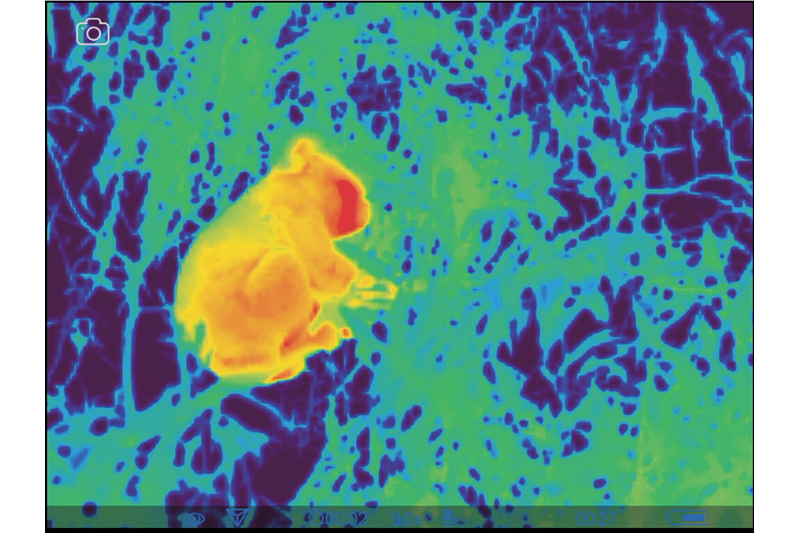
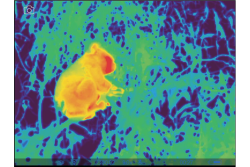
- Mornington Peninsula and Western Port Biosphere Reserve Foundation – Delivery Partner (Koala Wildlife Corridor)
Equoia – Delivery Partner (Clean Mobile Power).
Project duration:
The Climate Action Living Lab was delivered over a 2-year period from March 2024 to March 2026, spanning design, partner onboarding, co-design, trial delivery, evaluation and reporting.
Six pilot projects were delivered concurrently during this time, from February 2024 to February 2025, each progressing through tailored stages of research, testing, refinement and knowledge sharing, enabling continuous learning and iteration across the program lifecycle.
Challenge and context:
The City of Casey faces one of Victoria’s most complex local climate challenges. As one of Australia’s fastest-growing municipalities, Casey is experiencing rapid urban development that intensifies urban heat, places pressure on ecosystems and increases emissions, while also needing to support a highly diverse and expanding community.
Climate change is the quintessential 'wicked problem' – complex, interconnected, and often lacking straightforward solutions. Despite strong community demand for action, particularly around sustainability, biodiversity and resilience, Council needed new ways to translate ambition into practical, locally relevant solutions.
Council needed to:
- Test innovative climate solutions without significant upfront risk
- Engage diverse stakeholders including researchers, experts, industry, schools, community groups and volunteers
- Build trust and participation across culturally diverse and time-poor communities
- Generate measurable outcomes across environmental, social, economic and innovation domains within a short pilot timeframe (12 months).
Importantly, climate impacts disproportionately affect vulnerable cohorts, particularly young people experiencing climate anxiety, and communities with limited access to resources, information or participation pathways.
This created a compelling need for a new model: one that could simultaneously deliver real-world outcomes, engage diverse communities, and generate evidence to inform future action.
To narrow the climate challenge to areas within Council’s scope, the Innovation team met with a focus group of internal subject matter experts to co-design a list of potential challenge statements, which were then voted on by the community through a survey on the Casey Conversations website.
Based on community priorities, the Living Lab focused on three challenges:
- Sustainability and biodiversity: How might we protect and increase native vegetation and animal habitat?
- Safety and climate resilience: How might we ensure the safety and wellbeing of the community during and after extreme weather events?
Renewable energy: How might we increase the uptake of renewable energy for the community?
Solution and innovation:
The Climate Action Living Lab (CALL) represented a shift from traditional, top‑down program delivery to a place‑based, co‑designed experimentation model. Rather than implementing pre-defined solutions or relying on consultants, Council partnered with research, industry and community organisations to trial six real‑world pilots, generating local evidence before scaling. This approach was innovative because it embraced uncertainty, prioritised learning through small, low‑risk trials, and embedded a shared impact measurement framework across all projects to compare outcomes and inform future investment.
CALL responded to Casey’s context as a fast‑growing municipality facing complex, interconnected climate challenges by tailoring solutions to local environments and community priorities. It emphasised real-world testing, community participation, and cross-sector collaboration to address biodiversity loss, climate resilience, and clean energy uptake in a practical, locally relevant way.
Key stages included:
- Design: Identifying focus areas aligned to strategic plans and community priorities.
- Partner selection and co-design: Engaging delivery partners and stakeholders (schools, community groups, volunteers, industry) to shape solutions.
- Pilot delivery: Testing solutions in live settings with continuous feedback and adaptation.
- Evaluation and learning: Applying a shared framework to measure environmental, social, economic and innovation outcomes.
Pivotal moments included adapting projects to school and community contexts, integrating community feedback (e.g. surveys, citizen science), and validating emerging technologies through real-world trials.
The six projects were: youth climate education (Monash Climate Communication Research Hub); a threatened species citizen science program (Royal Botanic Gardens Victoria); non-chemical weed control technology (Federation University); community-led bandicoot monitoring (Western Port Catchment Landcare Network); koala genetics and habitat mapping (Western Port Biosphere); and clean mobile battery power for events (Equoia).
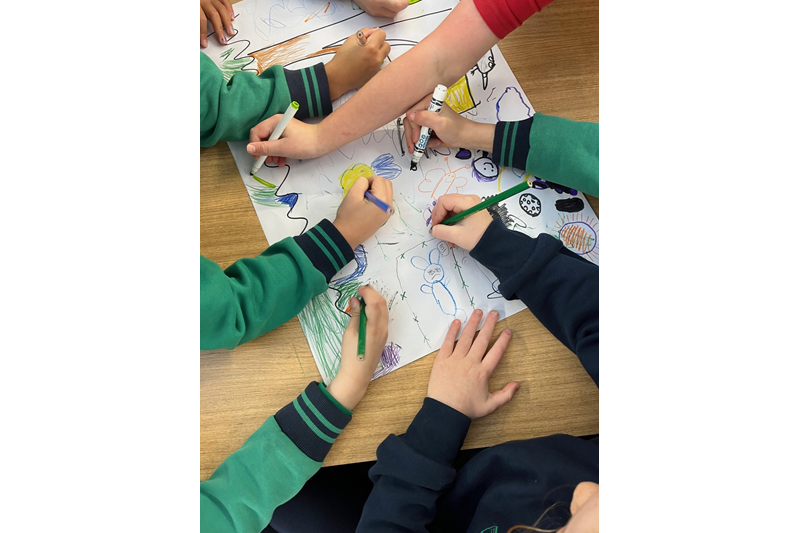
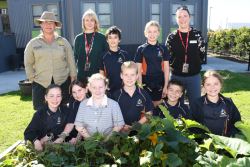
Inclusion and accessibility were embedded through diverse engagement channels - schools, volunteers, landholders, and public events - ensuring participation across ages, backgrounds, and abilities. Programs prioritised hands-on learning, local access, and community ownership, making climate action tangible, inclusive, and scalable.
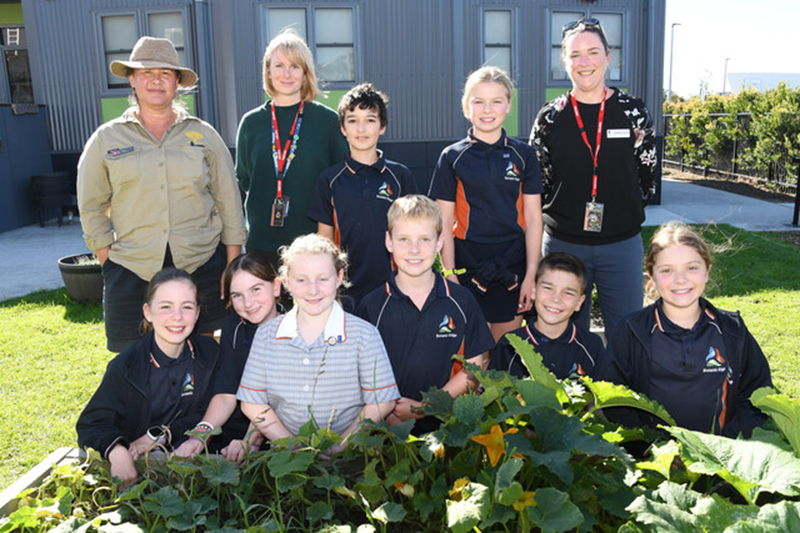
CALL has enhanced council’s adaptive capacity to anticipate and respond to future climate challenges. By generating real-world data, testing scalable interventions, and building community engagement pathways, the program has reduced uncertainty and enabled more informed long-term planning.
Project impacts and short-term outcomes:
Within its 12-month delivery period, CALL achieved measurable, multi-dimensional outcomes across its six pilots.
Environmental impacts include:
- Enhanced biodiversity knowledge, monitoring and conservation action
- Reduction in fossil fuel emissions and chemical use
- Generation of new datasets on habitat condition and species distribution.
For example, clean mobile power trials avoided up to 1.58 tonnes of CO₂e across a single event series, while biodiversity projects established threatened species plantings and generated critical ecological datasets.
Social and behavioural outcomes include:
- Increased climate literacy among students, volunteers and event attendees
- Strengthened community participation in hands-on climate action
- Improved confidence and agency, particularly among young people.
Youth-focused programs demonstrated measurable increases in knowledge and confidence, with up to 82% of participants reporting improved confidence discussing climate issues.
Economic outcomes include:
- $140K in internal cost savings and $175K in partner contributions
- Creation of local employment opportunities (1 extra day per week for 2 roles)
- 150+ hours of professional development provided to teachers and volunteers
- Skills development for students in conservation, STEM, and sustainability
- Engagement of 509 participants across schools, events, and community programs.
Innovation outcomes include:
- Validation of 2 emerging technologies - UV‑C weed control and Power Droids
- Generation of datasets informing planning
- Demonstration of co‑design and Living Lab methodologies.
Importantly, outcomes were not only achieved but measured consistently across all pilots using a shared framework, ensuring accountability, comparability and robust evidence that can inform future planning.
Capability and long-term impacts:
Beyond project delivery, CALL has significantly strengthened the City of Casey’s organisational capability to respond to climate change.
First, CALL embedded a new way of working, shifting from traditional program delivery to iterative, evidence-based experimentation. The Living Lab model enabled Council to test solutions in real-world conditions, learn quickly, and adapt approaches based on data.
Second, the program established a shared impact measurement framework, building Council capability in evaluating environmental, social, economic and innovation outcomes in a consistent and rigorous way. This has strengthened decision-making and created a foundation for scaling evidence-based climate initiatives.
Third, CALL strengthened cross-sector partnerships and collaboration. The program brought together research institutions, industry partners, schools, community organisations and volunteers, enabling knowledge exchange and co-delivery of solutions that would not be possible within Council alone.
Fourth, CALL increased organisational confidence in emerging technologies and approaches, validating innovations such as UV‑C weed control and zero-emissions event power, while highlighting pathways for further testing and integration into Council operations.
Importantly, CALL has enhanced Council’s adaptive capacity to anticipate and respond to future climate challenges. By generating real-world data, testing scalable interventions, and building community engagement pathways, the program has reduced uncertainty and enabled more informed long-term planning.
Finally, the program has created a replicable model for ongoing innovation, establishing governance, processes and learnings that can be applied across future Living Labs and other complex challenges.
Scalability and transferability:
The Climate Action Living Lab offers a highly scalable and transferable model for local governments seeking to accelerate climate action.
At its core, CALL provides a replicable framework combining place-based experimentation, cross-sector partnerships, community co-design, and shared impact measurement. This model is adaptable to different council contexts, priorities and resource levels, with each pilot designed for replication or scale.
Several components are already primed for transfer:
- Climate education resources co-designed with young people and published for broader school use
- Citizen science models enabling community-led biodiversity monitoring and stewardship
- Emerging technologies (e.g. UV‑C weed control, clean mobile power) ready for further field trials in similar environments
- A shared impact measurement framework supporting consistent evaluation across councils.
The program also demonstrates how councils can act as innovation convenors, leveraging partnerships to deliver solutions beyond internal capability.
CALL directly contributes to several UN Sustainable Development Goals:
- SDG 13: Climate Action – by reducing emissions, trialling renewable energy solutions, and strengthening local climate resilience
- SDG 11: Sustainable Cities and Communities – by improving urban biodiversity, liveability, and community engagement in local climate action
- SDG 15: Life on Land – through threatened species conservation, habitat monitoring, and biodiversity restoration initiatives
- SDG 4: Quality Education – by increasing climate literacy, particularly among young people through co-designed education programs
- SDG 17: Partnerships for the Goals – by enabling collaboration between local government, research institutions, industry and community.
By delivering measurable environmental, social, economic and innovation outcomes, while building community capacity and generating transferable knowledge, CALL creates value well beyond the City of Casey.
Critically, the program demonstrates that local governments can move from strategy to action at pace, using structured experimentation to de-risk innovation while unlocking scalable climate solutions.