

Innovation Case Study: Immunisation Equity in Action
Greater Dandenong City Council
Culturally responsive immunisation improving access for diverse communities
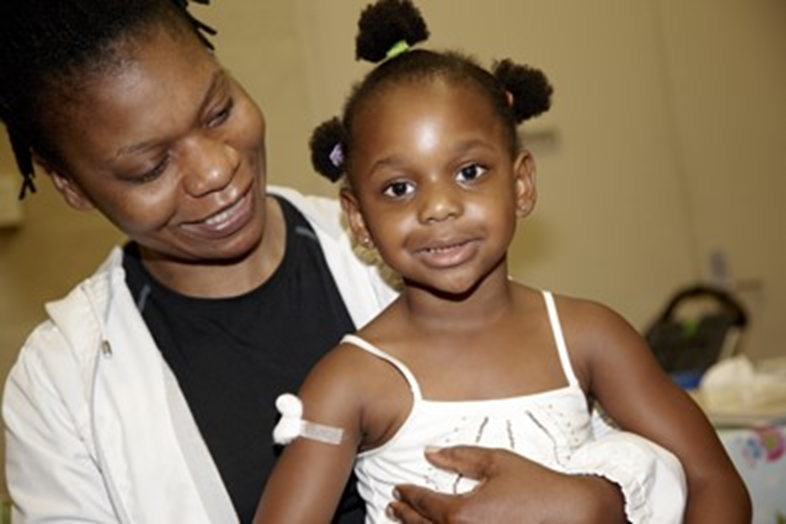
An innovative, council-led immunisation model improving equitable access for culturally diverse and newly arrived communities. Through bilingual support, community, outreach and school-based delivery, tailored catch-up immunisation, and system partnerships, the program removes barriers to vaccination—ensuring every family, regardless of background or eligibility, can access timely, culturally safe immunisation resulting in our community being protected from vaccine preventable disease.
2026 MAVlab Innovation Awards Finalist:
The Wellbeing Award for Community Health Impacts, supported by Choosewell and the Local Government Employees Health Plan
Project goals:
- Improve equitable access to immunisation for CALD, refugee and asylum seeker (R&AS) and other migrant families
- Remove or reduce financial, language and system barriers that prevent families accessing timely vaccination
- Increase catch-up immunisation coverage among under‑immunised children and young people
- Provide culturally safe, family-centred care that builds trust and confidence in services
- Support families to understand, navigate and engage with the Victorian immunisation system
- Ensure accurate assessment, translation and updating of complex overseas immunisation histories
- Offer an affordable and timely alternative to GP services that are often difficult to access
- Deliver flexible, place-based services in trusted settings such as schools and community hubs
- Strengthen coordinated referral pathways for newly arrived families through key partnerships
- Ensure all children and young people are protected, regardless of Medicare eligibility.
Project team:
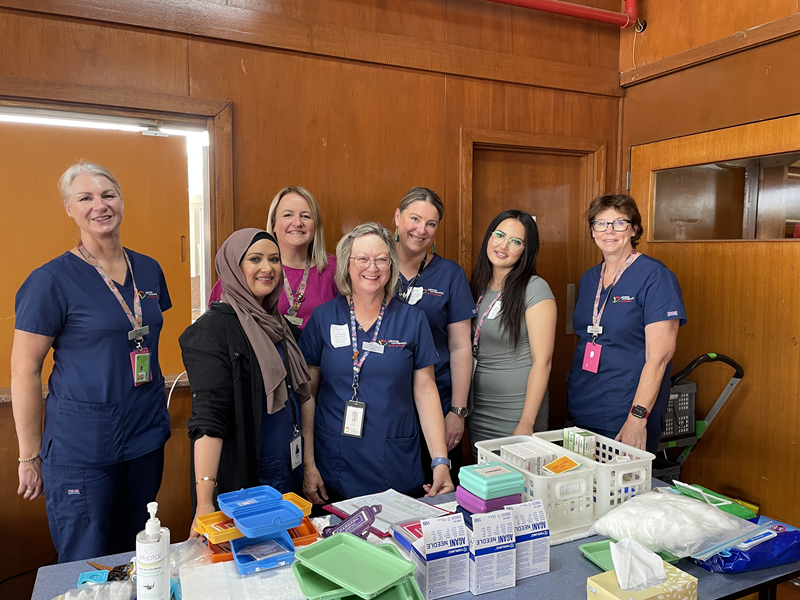
12 team members including: Immunisation Coordinator, Nurse Immunisers, Immunisation Support Officers, Community Liaison staff, and Multicultural Education Aides.
Project duration:
This project commenced in 2024 in response to declining vaccination coverage and critical service gaps created by the cessation of the state government funded PRIME program, which had previously supported coordinated immunisation for refugee and asylum seeker communities in the City of Greater Dandenong. It was rapidly designed and implemented to maintain access and continuity of care for vulnerable families.
The program has continued to evolve and expand throughout 2025 and into 2026, embedding new service models, partnerships and delivery approaches to ensure sustainable, equitable immunisation access for diverse communities and contribute towards achieving adequate immunisation coverage in our community.
Challenge and context:
The City of Greater Dandenong (CGD) identified persistent inequities in immunisation access and coverage affecting culturally and linguistically diverse (CALD) communities, particularly refugee and asylum seeker (R&AS) and migrant families. Many newly arrived children were significantly under‑immunised, with baseline program data showing only 12% fully vaccinated for age, reflecting substantial gaps in existing service pathways. Furthermore, a flow on effect was that these families were unable to access early childhood services such as childcare and kindergarten due to the requirements of evidence of full vaccination.
The problem was defined through frontline service delivery, school engagement, and previous program experience (including PRIME-Program for Refugee Immunisation, Monitoring and Education), where councils were often the first point of contact for families navigating complex health and settlement systems. Families faced multiple barriers including language, low health literacy, difficulty understanding consent processes, and unfamiliarity with the Australian immunisation schedule, particularly the adolescent immunisation program as most were unfamiliar with such programs in their own country.
The challenge intensified following the state government's cessation of funding PRIME in 2023. This resulted in fragmented referral pathways, reduced follow-up, and increased pressure on local services such as primary care and refugee health services to absorb complex, resource-intensive work.
Additional constraints included limited access to GPs due to cost and appointment availability, particularly Medicare ineligible families. Schools with continuous enrolment of newly arrived students such as English Language schools as well as many of CGD's mainstream schools that had high CALD enrolments further highlighted gaps in traditional “single-visit” immunisation models, leaving many students unvaccinated.
This challenge was difficult due to its scale, complexity and the requirement to build trust with communities who may have had limited or disrupted prior healthcare access. It required an innovative, flexible and highly coordinated response across health, education and settlement sectors.
Solution and innovation:
CGD developed an integrated, equity-focused immunisation model that reimagines how local government delivers catch-up vaccination for culturally diverse and newly arrived communities.
The approach is innovative because it moves beyond traditional clinic-based, single-point service delivery to a flexible, place-based and culturally embedded model that actively removes barriers. It responds directly to gaps created by the cessation of PRIME by reinstating coordination, outreach and follow-up within council services.
Key stages of design began in 2024 with identifying immediate service gaps and engaging key partners including Monash Health, AMES and schools. A pivotal decision was to prioritise access points already trusted by families, particularly schools and council services, rather than relying on overstretched primary care.
Delivery innovations include:
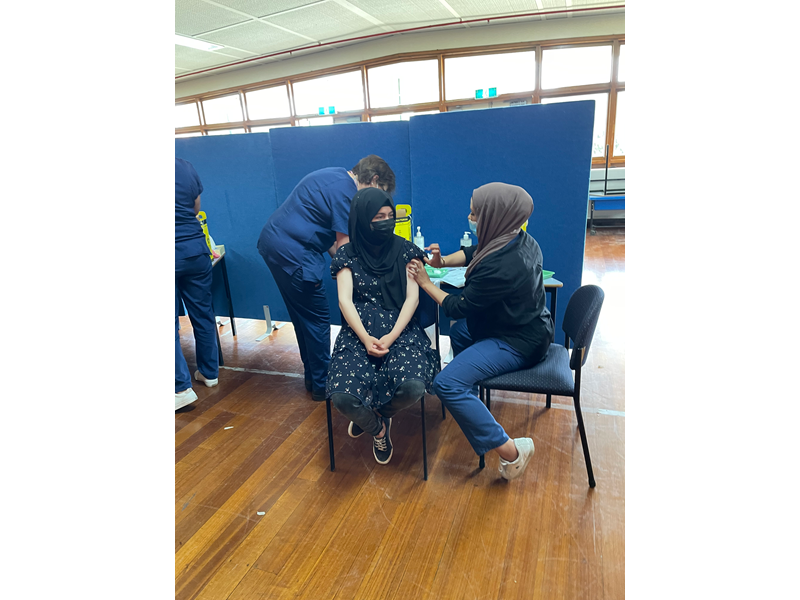
- A nurse led service supported by bilingual staff to ensure safe, culturally responsive care
- A place-based school model delivered at Noble Park English Language School, redesigned to include multiple visits aligned to continuous student enrolment, resulting in 638 students from R&AS backgrounds assessed for immunisation history, with 260 students receiving vaccination.
- Introduction of a successful fee-for-service program (2025) to address inequities for newly arrived Medicare-ineligible migrant families accessing immunisation. Incredibly strong demand has resulted in 716 vaccines delivered in 12 months. Without this innovative service, families would be referred to another provider that would result in delays and increased financial burden.
- Immunisation History and Advisory Service to manage complex overseas records and reduce delays in AIR notification of overseas vaccinations
- Co-design of a referral pathway restoring coordination across health and settlement services.
Inclusion and accessibility are embedded throughout, with translated materials, tailored consent, and strong collaboration with community partners
This model is innovative because it addresses immunisation service delivery gaps, integrates clinical care, cultural inclusion, and system coordination—creating a responsive, sustainable approach that meets families where they are and ensures equitable access to immunisation.
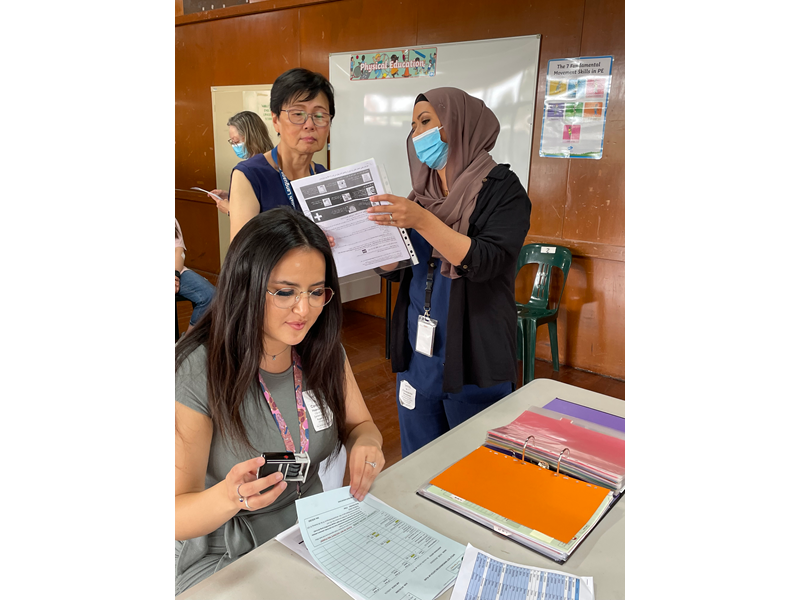
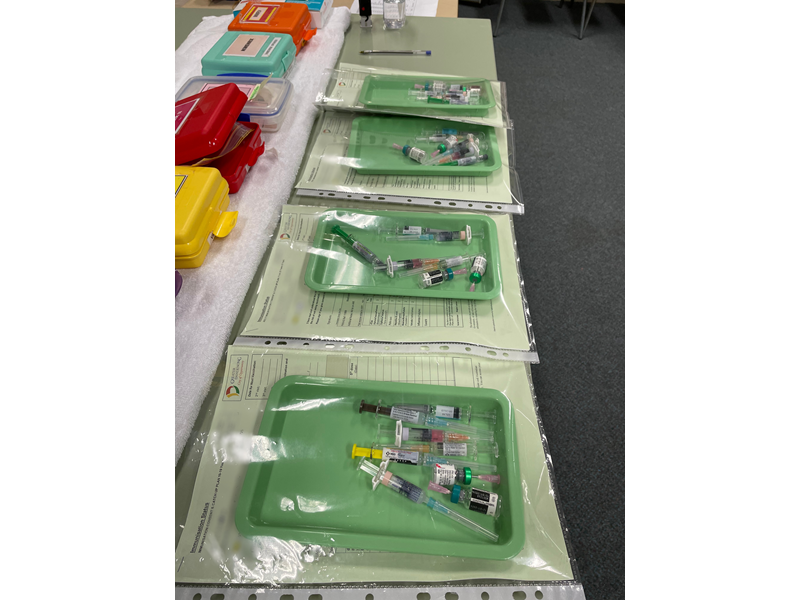
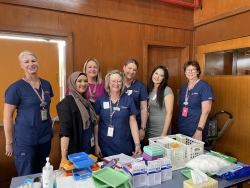
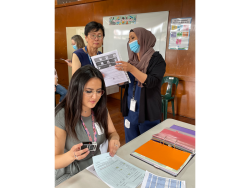
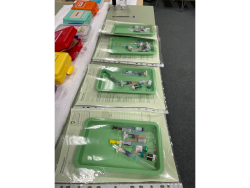
The approach is innovative because it moves beyond traditional clinic-based, single-point service delivery to a flexible, place-based and culturally embedded model that actively removes barriers.
Project impacts and short-term outcomes:
The project has delivered clear, measurable improvements in immunisation access and coverage for CALD and refugee and asylum seeker communities across CGD.
A key outcome has been increased reach and vaccination coverage for priority populations in CGD. At Noble Park English Language School, a flexible multi‑visit model enabled 638 students aged 12-19 to be individually assessed, and 260 vaccinated. These students would have missed the opportunity to be vaccinated if this catch-up approach was not available to them. This represents a significant improvement compared to traditional single‑visit approaches which occurs at most council run school-based services
The program has improved timeliness, with families able to access catch‑up immunisation more quickly through council services rather than waiting for GP appointments. The Immunisation History and Advisory Service has resulted in more accurate and up‑to‑date records through increased uploading to the Australian Immunisation Register, and faster development of tailored catch‑up schedules due to the highly skilled nurse immuniser led model.
There has also been a measurable improvement in equity of access. Council's introduction of a fee‑for‑service model has enabled Medicare‑ineligible children to access affordable vaccination for the first time, directly addressing a key barrier identified at project outset.
Inclusion outcomes are evident through increased engagement from families requiring language support, supported by bilingual staff and translated materials. Immunisation sessions were timed around important cultural and religious periods e.g. such as later session times during Ramadan to ensure culturally appropriate delivery and maximum engagement.
Families report improved understanding of immunisation and reduced stress navigating the system.
Importantly, the project has strengthened follow‑up and coordination for vulnerable cohorts, ensuring individuals who would otherwise be missed are identified, supported and vaccinated.
Each vaccination represents a direct, attributable outcome—protecting individuals, reducing risk of disease, and contributing to broader community immunity and prioritising public health objectives.
Capability and long-term impacts:
The project has significantly strengthened CGD’s capability to deliver equitable, coordinated and responsive immunisation services beyond the life of the initiative.
A key impact has been embedding a sustainable, council nurse-led model that integrates expert clinical delivery, outreach, follow-up and system coordination—functions previously supported under the PRIME program. This has enabled CGD to maintain continuity of care for R&AS and migrant communities despite the loss of dedicated external funding.
The project has built specialised internal capability in managing complex immunisation needs, particularly the assessment and translation of overseas vaccination records and development of tailored catch-up schedules. This capability strengthens council’s ability to respond to increasingly diverse community needs.
New ways of working have been embedded, including:
- Place-based service delivery in trusted settings such as schools
- Integration of bilingual workforce and culturally responsive practices
- More proactive identification and follow-up of under-immunised individuals.
The project has also strengthened cross-sector partnerships with Monash Health, AMES and education providers, improving referral pathways, coordination and shared accountability for outcomes. These partnerships have also led to increased engagement allowing expansion of our Meningococcal B program.
Importantly, it has enhanced organisational adaptability and resilience, enabling CGD to respond effectively to service gaps, policy changes and emerging community needs.
Additionally, we have established preparedness for any future pandemics in delivering essential immunisation services to all in our community, which is important as all other immunisation providers in CGD moved to telehealth during the Covid pandemic, creating access issues for many CALD families that were Medicare ineligible.
Overall, the project has transformed how council delivers immunisation services—shifting from a transactional model to a coordinated, equity-driven approach that builds lasting capability and positions CGD to better manage future public health challenges.
Scalability and transferability:
This model is highly scalable and transferable to other councils, particularly those working with culturally diverse or newly arrived populations.
Our program has already scaled up by accepting families outside CGD to access some of these services such as the childhood immunisation fee- for- service program which is not available in neighboring councils.
Key elements can be readily replicated, including a Nurse Immuniser-led catch-up service, a place-based school delivery model, and the Immunisation History and Advisory Service to manage complex overseas records. The introduction of a fee-for-service option also provides a practical model for addressing gaps for Medicare-ineligible populations.
The approach is adaptable to different contexts, as it is built on principles of flexibility, cultural responsiveness and partnership. Councils can tailor delivery settings (schools, community clinics, outreach) and workforce models (including bilingual staff) based on local community needs.
Importantly, the project demonstrates how councils can act as system coordinators, strengthening referral pathways and partnerships across health, education and settlement sectors. The co-designed referral pathway with Monash Health and AMES provides a transferable example of integrated service navigation.
Learnings from this project—including approaches to engagement, consent, follow-up and coordination—can be shared across the sector to build capability and consistency in immunisation delivery.
CGD has been approached by several councils that are seeking to replicate this model due to increasing numbers of newly arrived families, Medicare eligibility changes impacting access to services, declining vaccination coverage rates, especially in CALD and R&AS populations and funding constraints requiring innovative approaches to immunisation service delivery.
The model also contributes to UN Sustainable Development Goal 3: Good Health and Wellbeing, by improving equitable access to essential health services and reducing health disparities.
Overall, this project offers a practical, evidence-informed framework that other councils can adopt or adapt to improve immunisation equity and reach vulnerable populations.