Innovation Case Study: Mallee Community Wellbeing Week 2026
Mildura Rural City Council
Building resilience, strengthening wellbeing across the Mallee
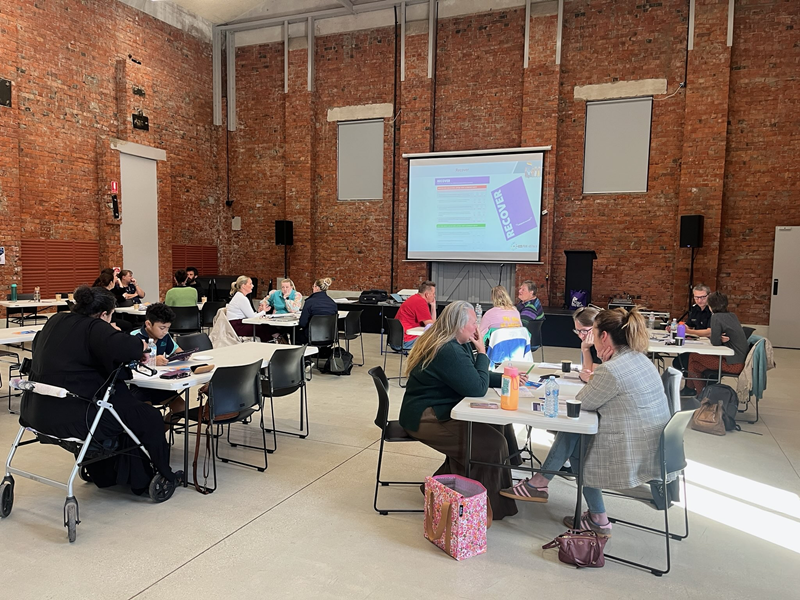
A regional, multi-day initiative delivering inclusive wellbeing events across Mildura, Ouyen and Murrayville. The program brought together community members, services and keynote speakers to build resiliency, reduce stigma and improve access to wellbeing supports through education, lived experience discussions and social connection.
2026 MAVlab Innovation Awards Finalist:
The Wellbeing Award for community health impacts, supported by Choosewell and the Local Government Employees Health Plan
Project goals:
- Strengthen community resilience and improve mental wellbeing outcomes across the geographically dispersed Mallee region
- Increase equitable, place-based access to health and wellbeing information through multi-location delivery
- Challenge stigma and shift help-seeking behaviours through open, community-led conversations and lived-experience storytelling
- Reduce social isolation by creating safe, inclusive spaces that foster genuine connection, belonging and participation,
- Deliver diverse, inclusive programming designed to engage people across different life stages, identities and experiences.
- Build enduring cross-sector partnerships between council, services and community organisations to enable coordinated wellbeing responses
- Elevate community voice by supporting lived-experience leaders and grassroots wellbeing initiatives
- Remove barriers to participation by providing free, accessible events across urban and remote communities
- Establish a collaborative regional model that supports long-term collective impact and shared ownership of community wellbeing outcomes
- Promote preventative health and early intervention approaches that build capability, confidence and resilience over time.
Project team:
The project was delivered by a primary team of four: comprising the Community Wellbeing and Community Development teams: Melissa Kennelly (Social Inclusion Facilitator), Jeni Snadden (Project Officer), Tracey McNee (Community Wellbeing Coordinator), and Jarrad Lehman (Community Development Officer).
Mildura Rural City Council:
- Community Wellbeing Team: Melissa Kennelly, Social Inclusion Facilitator, Jeni Snadden, Project Officer, Tracey McNee, Community Wellbeing Coordinator
- Community Development Team: Jarrad Lehman, Community Development Officer
- Mildura Rural City Council – Social Inclusion Action Group (SIAG).
External local government stakeholders:
- Northern Mallee Leaders Inc: Kelly Wandel, General Manager
- Loddon Mallee Public Health Unit, Bendigo Health: Fleur Manno, Prevention & Population Health Officer
- Mental Health & Wellbeing Local: David Hall, Acting Community Engagement Officer / Peer Wellbeing Navigator
- Anglicare Victoria: Mansueta (Manny) Liousas, Community Engagement Worker, Gambler’s Help / Q Space
- Mallee Track Health & Community Service: Kim Darley, Rural Connection Team Leader
- Legless and Blind: Ben Pettingill & Mike Rolls
- Rural Pride Australia: Daniel Witthaus, CEO & Founder
- Friends for Good: Laura Rouhan, Co-Founder
- Mallee Arts coLAB: Jill Antonie, Artistic Director & Executive Officer
- May Health: Dr Emilie Staehr, Development & Program Manager, GP
- nPower Health: Nicole Strom, Menopause Practitioner.
Project duration:
Planning commenced in late 2025, with approximately six months of stakeholder engagement, partnership development and program design. The program was delivered from 17–22 May 2026 across multiple Mallee locations, followed by evaluation and debrief to inform future
Challenge and context:
In the Mallee, support can exist yet still feel out of reach. Geographic isolation, fragmented services, stigma and social disconnection combine to create real barriers to wellbeing, inclusion and early help-seeking across the region.
Key challenges included:
- Geographic isolation and dispersed communities – residents across the Mallee often face long travel distances, reducing access to services, events and opportunities for connection.
- Limited-service access and workforce constraints – regional service limitations can reduce opportunities for prevention, early intervention and timely support.
- Stigma around mental health – stigma continues to discourage help-seeking, leaving some people unsupported until issues become more acute.
- Fragmented service systems – services can operate in silos, making it difficult for community members to navigate supports or understand what is available.
- Barriers to participation – survey feedback identified limited awareness of events and services, accessibility constraints, and challenges in creating visible, safe entry points for engagement.
- Loneliness and disconnection – participant feedback highlighted evidence of social isolation and a strong need for safe, non-judgemental spaces to connect.
Disproportionate impacts on vulnerable groups – these barriers were particularly significant for older women, LGBTIQA+ communities, and people experiencing loneliness or poor mental health.
The challenge was to design a model that could overcome these structural barriers while still meaningfully engaging a geographically dispersed population. This required multi-location delivery, inclusive and relevant programming accessible event design and balancing clinical, community and lived-experience perspectives. The program needed to go beyond basic awareness raising to create opportunities for genuine connection, build capability and strengthen community resilience.
Mallee Community Wellbeing Week was developed in response as a coordinated, place-based initiative designed not just to raise awareness, but to reduce stigma, strengthen connection and improve access to wellbeing support across the region.
Solution and innovation:
Mallee Community Wellbeing Week was designed as an innovative, place-based response to the region’s wellbeing challenges, not as a single event, but as a coordinated regional model that brought together services, lived-experience leaders & community members across multiple locations in one accessible program.
Unlike traditional single-event approaches, the initiative provided a diverse program of free, accessible events combining education, lived experience, connection-building, creative engagement and physical wellbeing. Sessions ranged from mental health education & gambling harm prevention to LGBTIQA+ inclusion, menopause awareness, resilience & social connection.
Key elements of the innovation included:
- Multi-location delivery across Mildura, Ouyen & Murrayville, improving equitable access for communities spread across a large regional area.
- Co-designed program development with community partners & service providers, with Council leading a collaborative regional response to wellbeing.
- Iterative design informed by the 2025 inaugural wellbeing event, allowing the 2026 program to evolve in response to local needs & partner feedback.
- A blended wellbeing format combining education, lived experience, connection-building, creative engagement & physical wellbeing rather than relying on a single event type or information-only approach.
- Lived-experience leadership, ensuring speakers & facilitators brought authentic, relatable insight that helped reduce stigma & deepen community engagement.
- Inclusive design and accessibility, including targeted sessions for diverse communities and review by MRCC’s Social Inclusion Action Group to strengthen cultural safety, inclusion and accessibility.
- Flexible participation pathways, giving people different ways to engage through workshops, presentations, creative sessions & social activities.
This model intentionally balanced clinical, community & lived-experience perspectives, creating a shared platform for learning, connection & trust. Survey feedback supports the strength of this design, with high engagement across varied topics and 99% of respondents reporting they felt safe & comfortable
By convening partners and designing for access, inclusion and local relevance, Mildura Rural City Council created a program that went beyond awareness raising to deliver a more connected, community-led and regionally responsive approach to wellbeing.
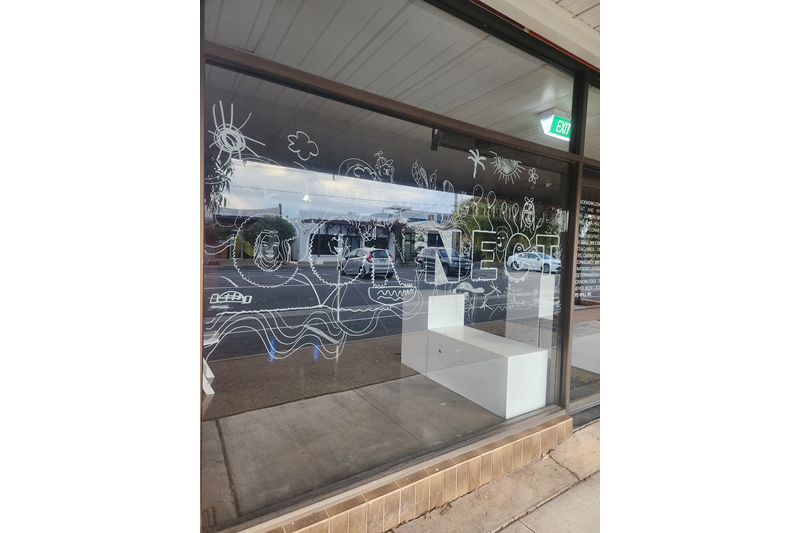
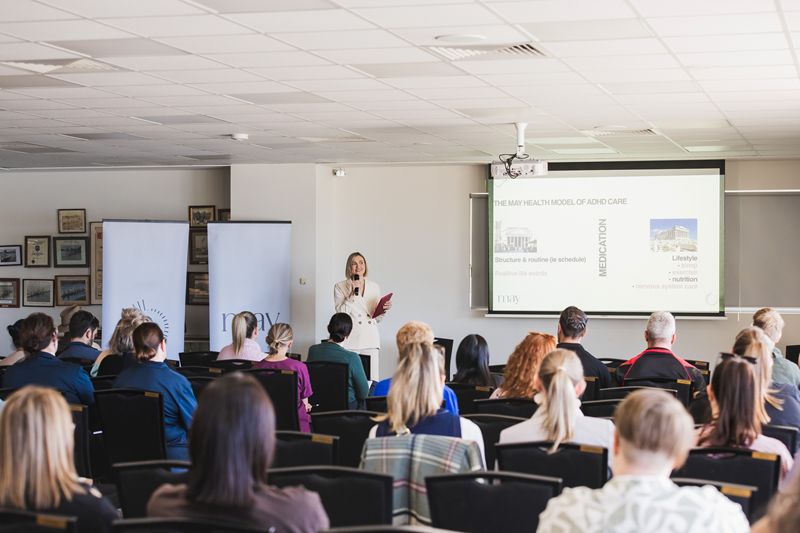
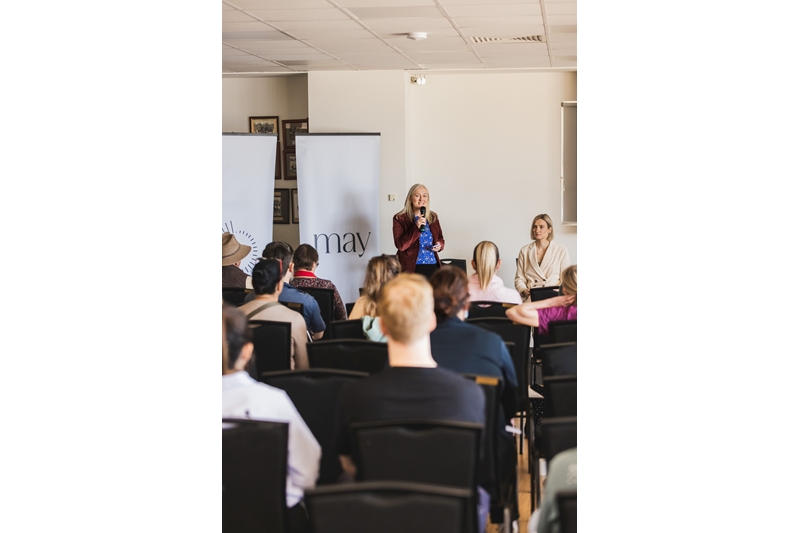
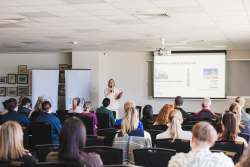
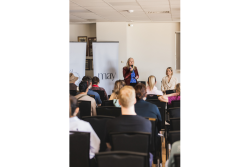
The program created immediate value by providing safe, accessible opportunities for people to engage with wellbeing topics, connect with others & better understand the supports available to them.
Project impacts and short-term outcomes:
Mallee Community Wellbeing Week delivered strong short-term outcomes across inclusion, connection, awareness and confidence to seek support.
The program created immediate value by providing safe, accessible opportunities for people to engage with wellbeing topics, connect with others & better understand the supports available to them.
Key short-term impacts include:
- Safe and inclusive participation – 99% of respondents agreed or strongly agreed that they felt safe, included and comfortable during the program. This created a strong foundation for trust, participation and community engagement.
- Social inclusion was a key objective, with targeted sessions supporting LGBTIQA+ communities, women and individuals with diverse health and wellbeing needs.
- Increased community connection and capability – 84% of respondents reported feeling more connected, while 78% reported improved knowledge, skills and awareness. Participants described increased awareness of local services, practical strategies they could apply personally and professionally, and greater confidence in supporting themselves and others.
These outcomes were reinforced by very high participant satisfaction, with the majority rating the program 10 out of 10 for likelihood to recommend.
Qualitative feedback reflected the value of the initiative in regional communities, with participants describing it as “A very warm valuable space for our town” and “Events like this make such a difference”
The program also strengthened meaningful interactions between community members and service providers, improved access to wellbeing information through free local events, and helped reduce stigma through open conversations and lived-experience storytelling. Together, these short-term outcomes demonstrate that the initiative created a safe, inclusive and engaging environment that strengthened wellbeing and connection across the region
Capability and long-term impacts:
Mallee Community Wellbeing Week created value beyond the event itself by strengthening partnerships, building community capability & improving Council’s ability to deliver inclusive, collaborative wellbeing initiatives across the region.
The project showed that in regional communities, lasting wellbeing outcomes are strongest when Council acts as a convenor, connector & enabler of shared action.
Key long-term impacts include:
- Stronger cross-sector collaboration and delivery capability: Council brought together Northern Mallee Leaders, Loddon Mallee Public Health Unit, Mental Health & Wellbeing Local, Anglicare Victoria & Mallee Track Health & Community Service through a shared platform for partnership, knowledge exchange and collective impact. This strengthened relationships between service providers & increased confidence in co-design & multi-location regional delivery
- Increased social inclusion capability through MRCC’s Social Inclusion Action Group: The project helped build the profile & future role for the Group, who reviewed the final program and made recommendations to strengthen cultural safety, inclusion and accessibility. Funding from a State Government program also supported delivery through SIAG capacity building, creating a stronger foundation for future investment in social inclusion, connection and wellbeing.
- A more integrated and preventative approach to wellbeing: The initiative combined community development, health promotion and inclusion principles in one coordinated regional model. This strengthened Council’s capability to respond to future wellbeing challenges in more connected, adaptive & place-based ways
- Stronger community capacity & resilience: Survey feedback suggests a strong foundation for sustained impact, including increased awareness of services & referral pathways, stronger social & peer networks, & greater confidence in applying wellbeing strategies in personal, professional & community settings.
By strengthening partnerships, building inclusion capability and capturing learnings for future delivery, Mallee Community Wellbeing Week has increased Council’s capacity to support community wellbeing beyond a single event and has laid the groundwork for more connected, resilient and inclusive regional practice The program demonstrated the value of combining lived experience, professional expertise and community voice.
Scalability and transferability:
The Mallee Community Wellbeing Week model is highly transferable to other councils & regional locations seeking to improve wellbeing, inclusion & service access through place-based community initiatives.
Its strength lies in a flexible framework that can be adapted to local context while retaining the core elements that made it effective in the Mallee.
Key elements that support this include:
- A flexible, place-based structure: The program was designed around local community need and can be adapted to different towns, demographics and wellbeing priorities. Its multi-location format is particularly relevant for geographically dispersed councils seeking more equitable access across communities.
- A practical partnership model: The initiative brought together council, health services, community organisations and lived-experience leaders in a coordinated response. This collaborative approach is both replicable and cost-effective, allowing other councils to leverage local partnerships rather than rely on stand-alone delivery.
- Adaptable programming: By combining education, lived experience, social connection, creative engagement and wellbeing promotion, the model can be tailored to different communities while maintaining its core purpose of improving access, reducing stigma and strengthening connection with focus on low-cost, high-impact community engagement activities
- Clear evidence of demand: Participant feedback showed very high recommendation rates, with the majority rating the program 10 out of 10 for likelihood to recommend, alongside strong calls for more events, expanded topics and ongoing programming. This indicates the model responds to a genuine and continuing community need.
Continuous improvement built in (iterative & community-informed from previous events using partner & participant)
The initiative aligns with broader goals of improving health & wellbeing, social inclusion & community resilience, making it relevant across both metropolitan & regional settings.
By demonstrating how collaboration, inclusion & local leadership can create meaningful wellbeing outcomes, Mallee Community Wellbeing Week provides a credible framework that other councils can adapt to strengthen resilience, connection & access to support in their own communities.