
Innovation Case Study: Poetic Portraits
Monash City Council
Real voices, real lives: stories that connect generations and community
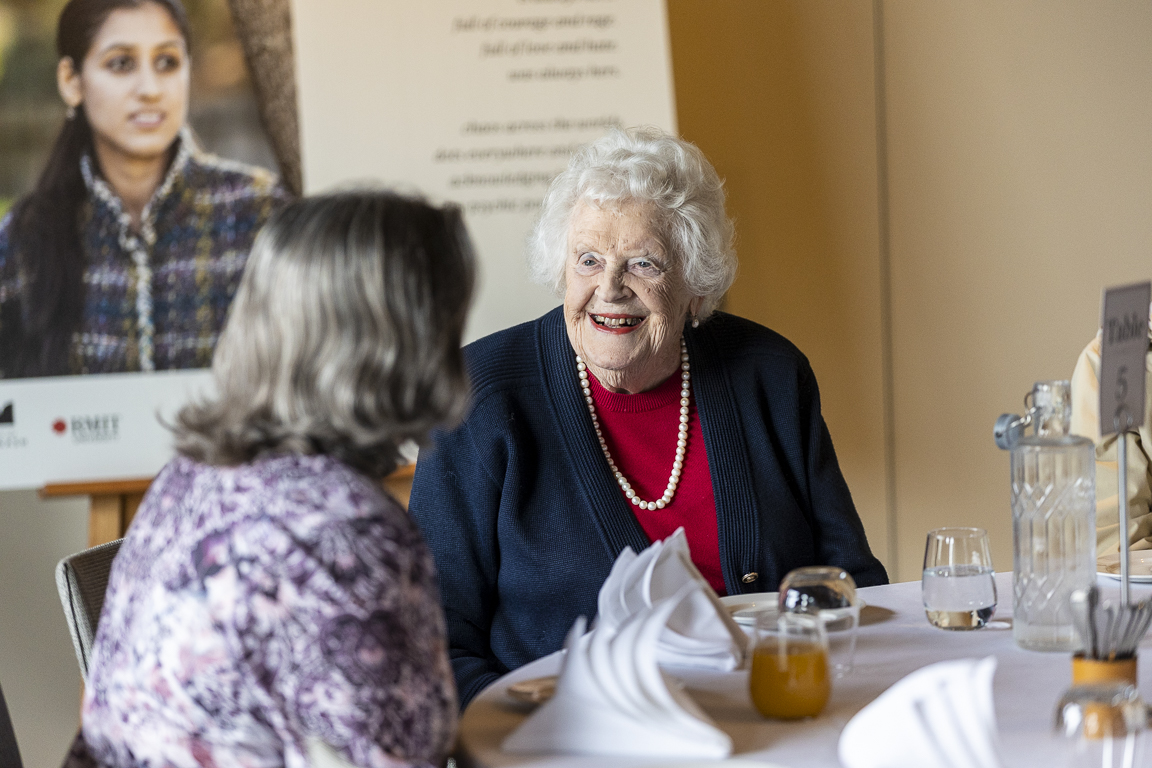
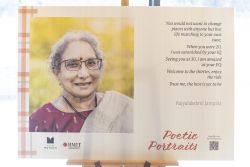
Poetic Portraits is a powerful storytelling project that gave voice to 20 Monash residents through poetry, portraiture, and audio. Delivered with RMIT University, it transformed lived experiences into public stories. The project created deep emotional connection, challenged perceptions of ageing, and celebrated identity, culture, and belonging across generations.
2026 MAVlab Innovation Awards Joint Winner:
The Storytelling Award for Inclusive and Engaging Council Communications, supported by the RMIT Regenerative Futures Institute
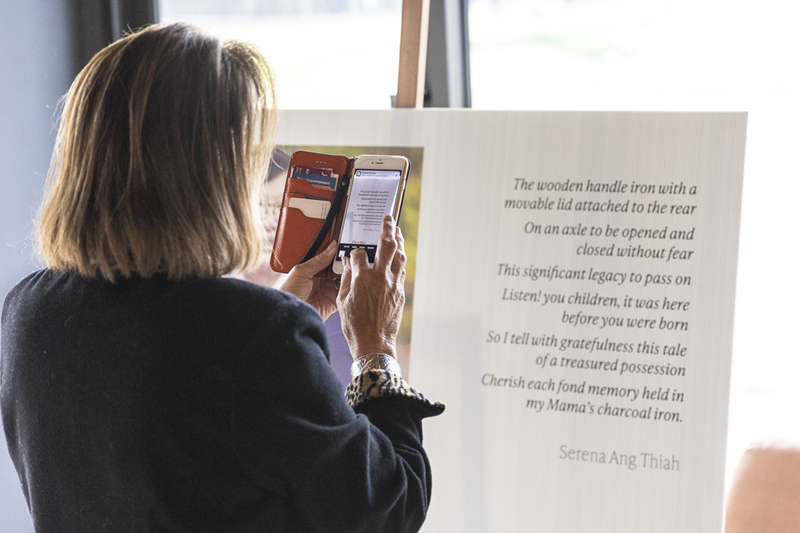
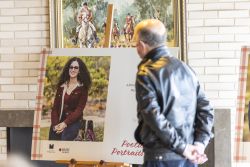
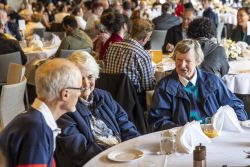
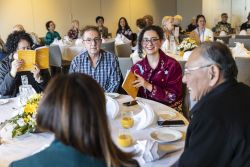
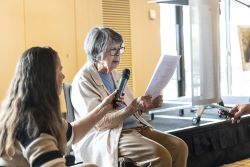
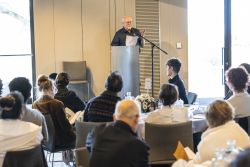
Poetic Portraits Launch
Project goals:
- Create a safe, supported space for people to share their personal stories
- Amplify voices that are often unheard or underrepresented in the community
- Build confidence in participants to express themselves creatively
- Capture lived experiences of ageing, identity, culture, and connection
- Foster genuine relationships between younger and older generations
- Celebrate storytelling as a tool for empathy and understanding
- Present real community stories in highly visible public spaces
- Ensure stories are accessible through multiple formats (written, visual, audio)
- Honour each participant as both storyteller and creator
- Encourage pride, ownership, and a sense of being heard and valued
- Create moments of reflection and emotional connection for audiences
- Leave a lasting record of community voices and shared human experience.
Project team:
Six people:
- April Paterson - Coordinator Social Inclusion
- Selena Lee - Age Well Officer
- Terry Larkman - Team Leader Age Well
- Jackie Tang - Communications Coordinator
- Fari Malek - Graphic Design Lead
- Jess Wilkinson - Professor Creative Writing (RMIT University).
Project duration:
Poetic Portraits unfolded over six months, allowing time for trust, creativity, and storytelling to develop. Participants moved from initial uncertainty to confidently sharing deeply personal stories through guided workshops, photography sessions, and recordings.
The project culminated in a public launch in October 2025, but its impact continues. Participants remain connected through an ongoing writers’ group, and their stories continue to be shared through exhibitions, libraries, and online platforms.
This extended life reflects the nature of storytelling—once shared, stories continue to live, resonate, and connect people long beyond the moment they are told.
Challenge and context:
Many people in our community carry rich, complex life stories that are rarely heard. Traditional engagement methods—surveys, consultations, forums—tend to privilege confident voices and structured responses, often excluding those who feel they have “nothing to say,” lack confidence, or face language and literacy barriers.
In Monash, this challenge was particularly evident among older adults and culturally diverse residents. Many experience social isolation, limited opportunities for meaningful expression, and a sense that their lived experiences are not visible or valued. At the same time, generational disconnect and persistent stereotypes around ageing continue to shape how people see themselves—and each other.
The challenge was identified through ongoing engagement with the Age Well community, where participation gaps and quieter voices were consistently observed. We knew people had stories—but not the platform, confidence, or invitation to share them.
This created a complex problem:
- How do you engage people who don’t typically engage?
- How do you create psychological safety for personal storytelling?
- How do you support people with no creative background or English as a first language?
- How do you honour stories without simplifying or tokenising them?
Constraints added to the challenge. The project required delivery within a modest budget, limited access to traditional exhibition spaces, and the need to engage multiple stakeholders across Council and community partners.
Importantly, this was not just an engagement challenge—it was an equity challenge. Without intentional design, the same voices would continue to be heard, and others would remain invisible.
This context demanded a response that was not only creative, but deeply inclusive, trust-based, and capable of elevating authentic community voice in a meaningful and visible way.
Solution and innovation:
Poetic Portraits responded by reframing engagement as storytelling—placing lived experience at the centre and participants as creators, not contributors.
The solution combined creative facilitation with professional outputs, designed specifically for accessibility and inclusion. Key stages included:
- Co-design and recruitment
Participants were intentionally selected to reflect diversity in age, culture, and experience. Messaging focused on “sharing your story” rather than “writing poetry,” reducing barriers to entry. - Supported creative development
Workshops led by a professional poet provided a structured yet flexible environment. Participants were guided through storytelling techniques that prioritised voice, memory, and emotion—building confidence regardless of skill level. - Multi-format storytelling
Stories were expressed through poetry, professional portrait photography, and audio recordings. This ensured accessibility across literacy levels, language backgrounds, and abilities. - Public amplification
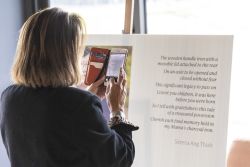
Stories were shared through an anthology, online platforms, and exhibitions in libraries and outdoor public spaces—reaching audiences far beyond the participant group.
A pivotal moment came when limited gallery access required a shift to outdoor and community-based exhibition spaces. This decision transformed the project from a contained arts program into a highly visible public storytelling experience.
What made the approach innovative was not just the format, but the intent. Traditional engagement asks for input—this approach created authorship. It embedded inclusion by:
- Designing for people with no prior creative experience
- Using multiple formats to remove access barriers
- Prioritising participant voice and control over their stories
- Creating safe, supported environments for sharing.
The result was a model where storytelling became both the method and the outcome—delivering deep engagement, accessibility, and community connection in a way not previously trialled.
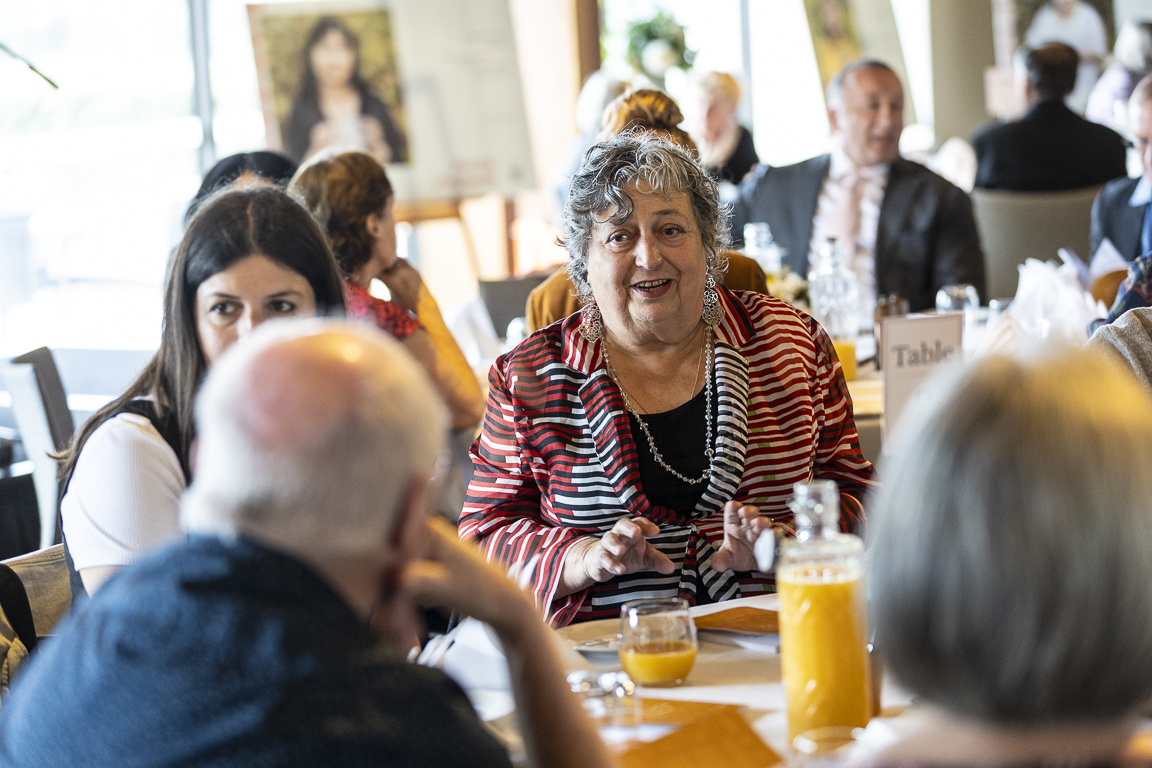
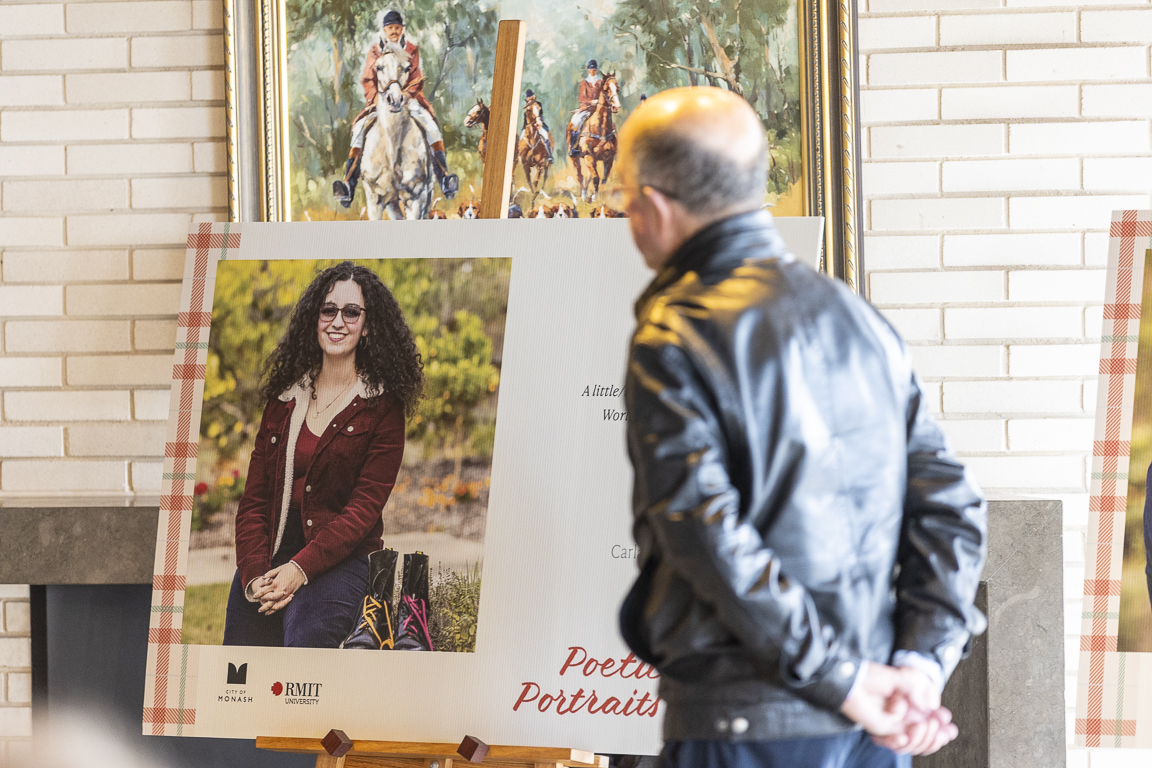
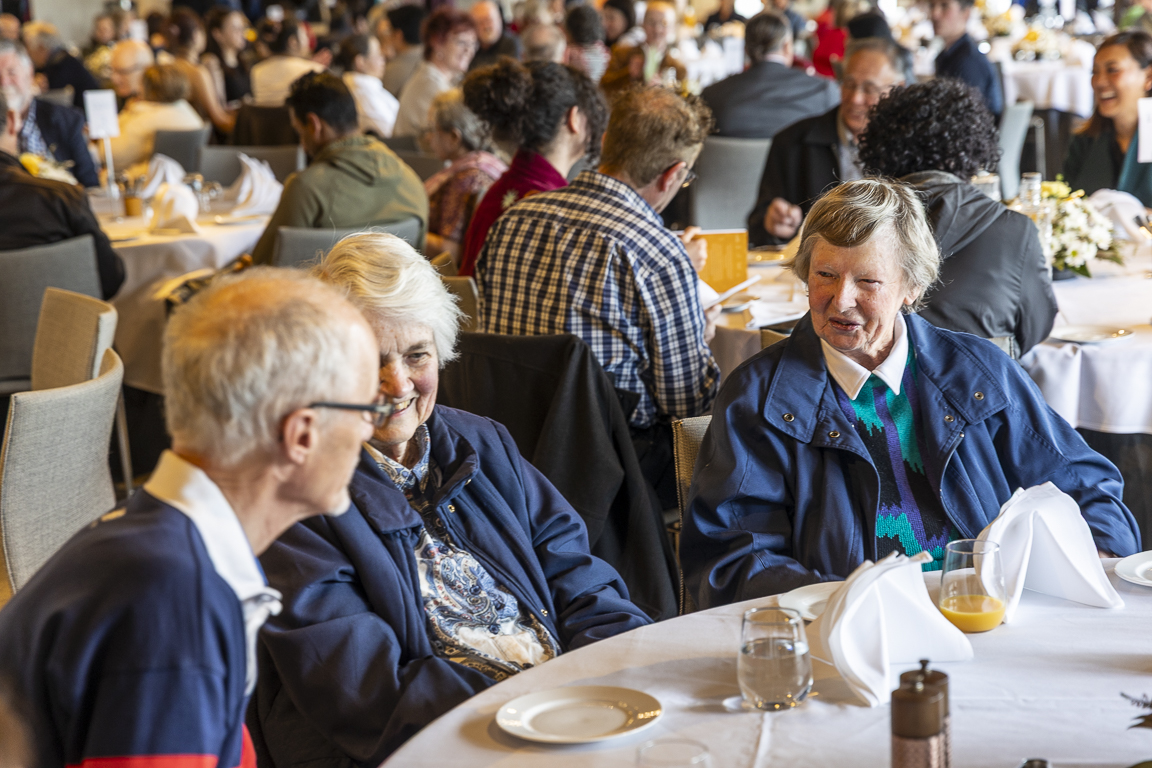
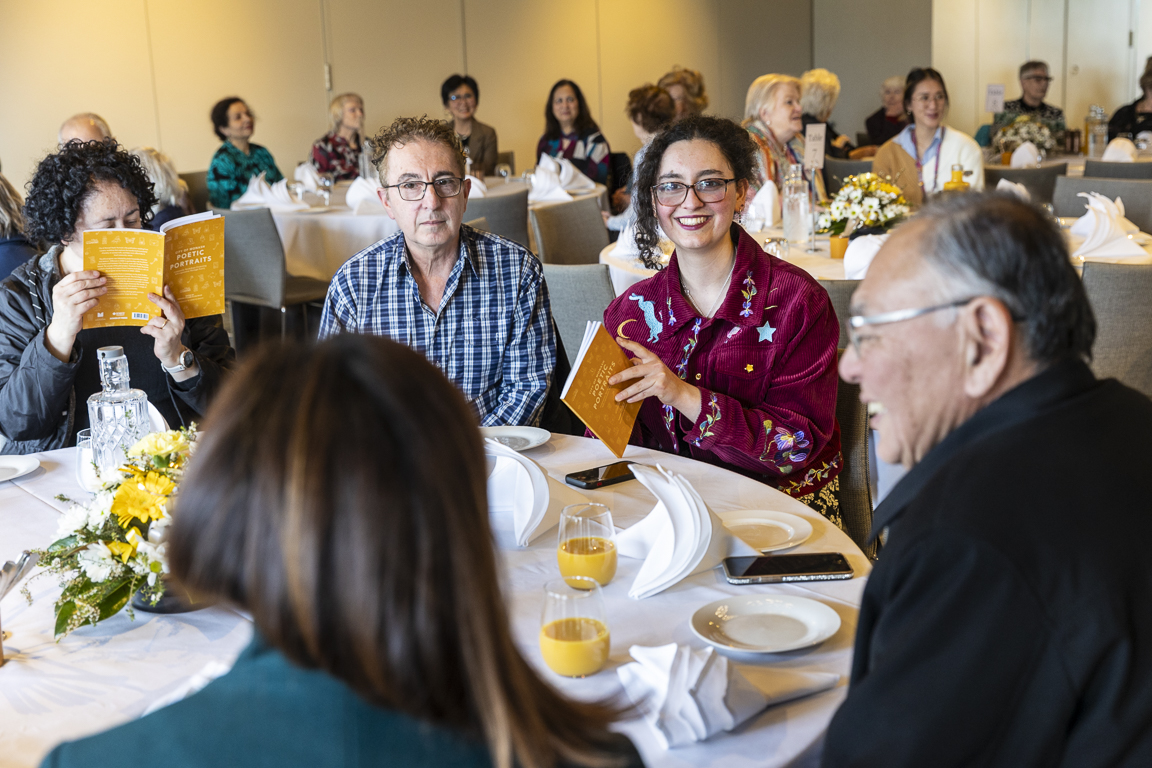
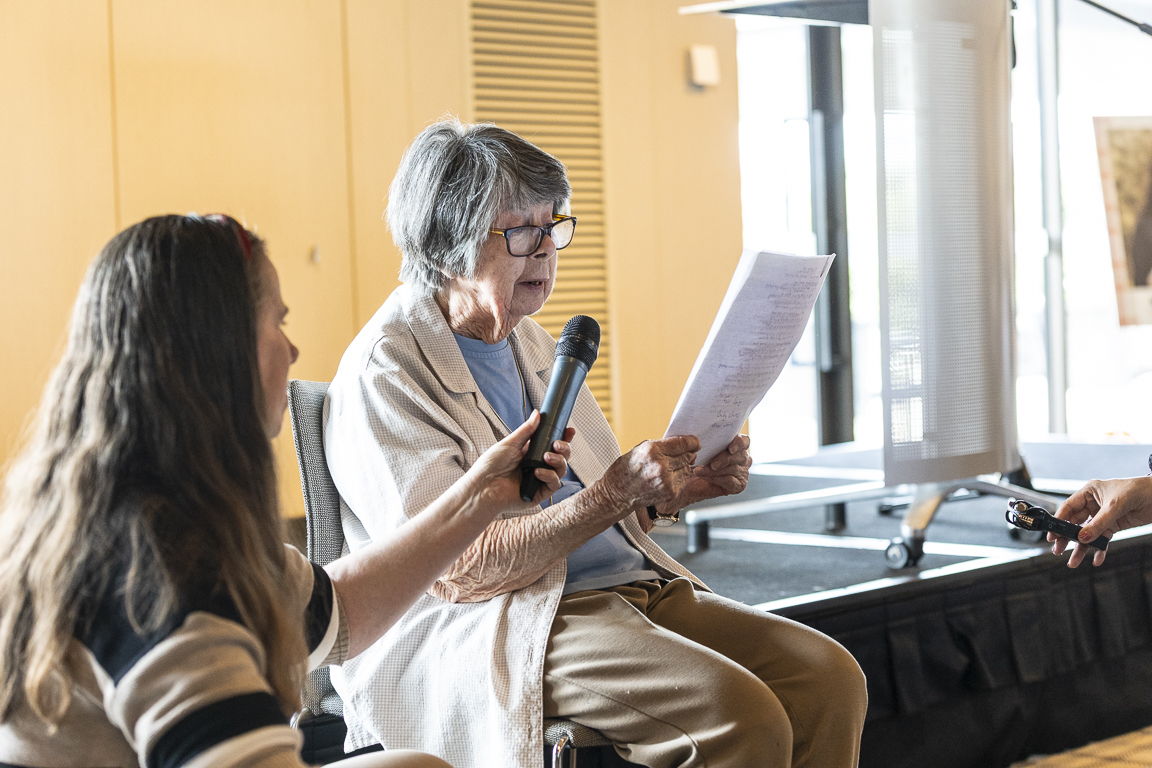
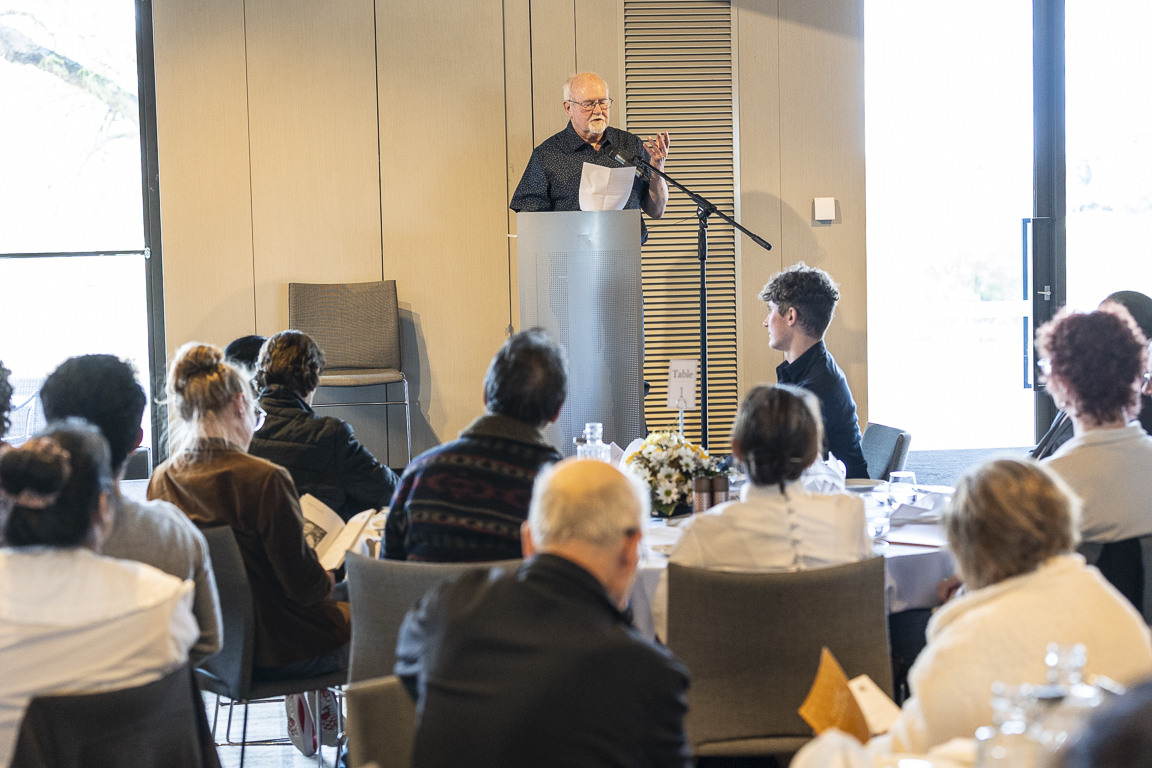
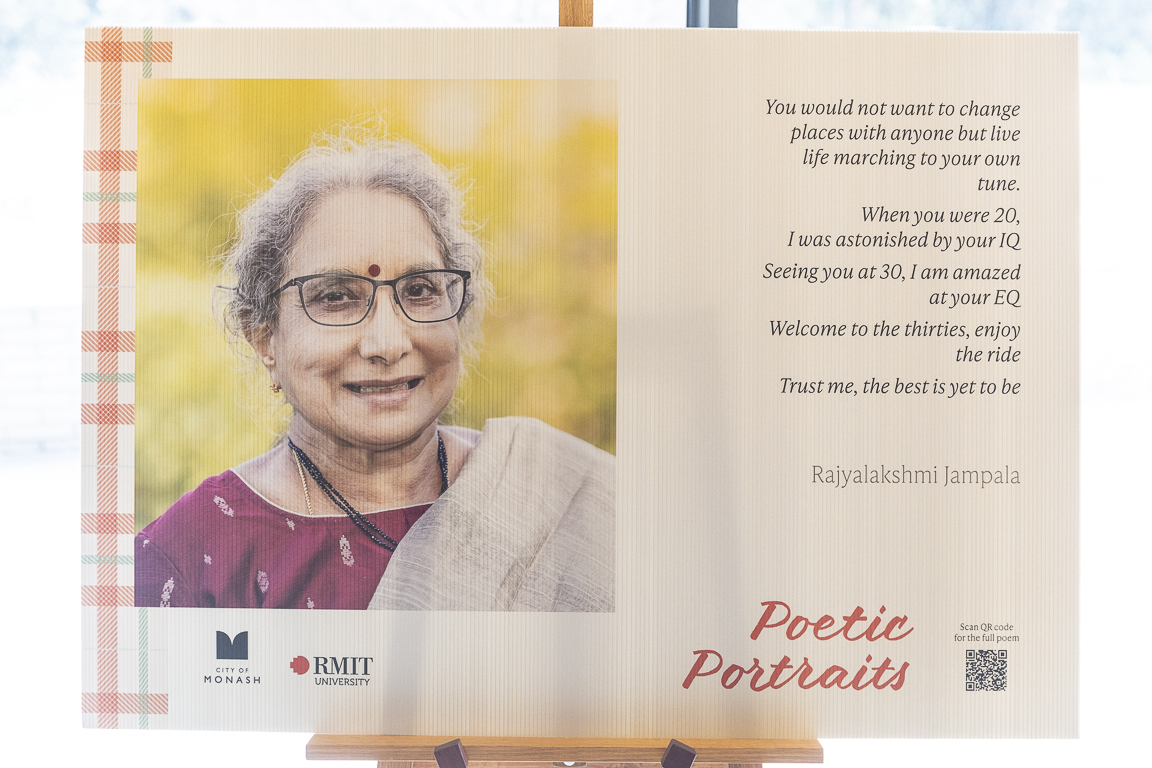
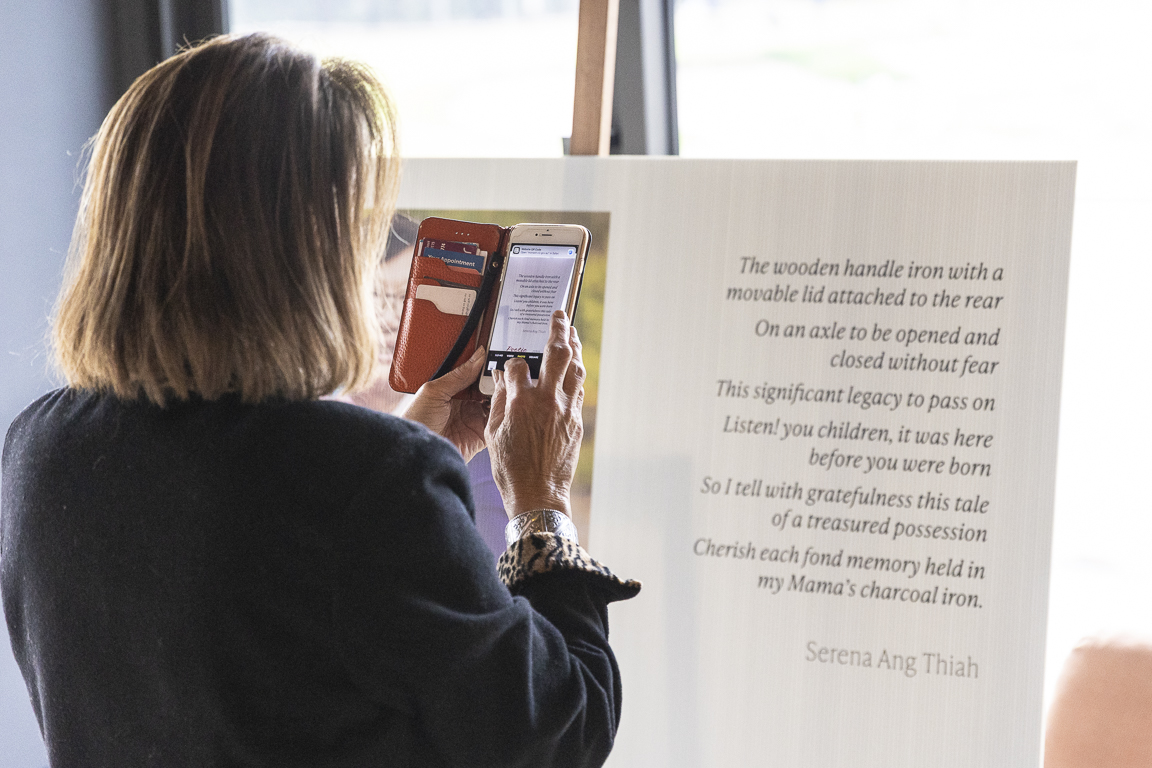
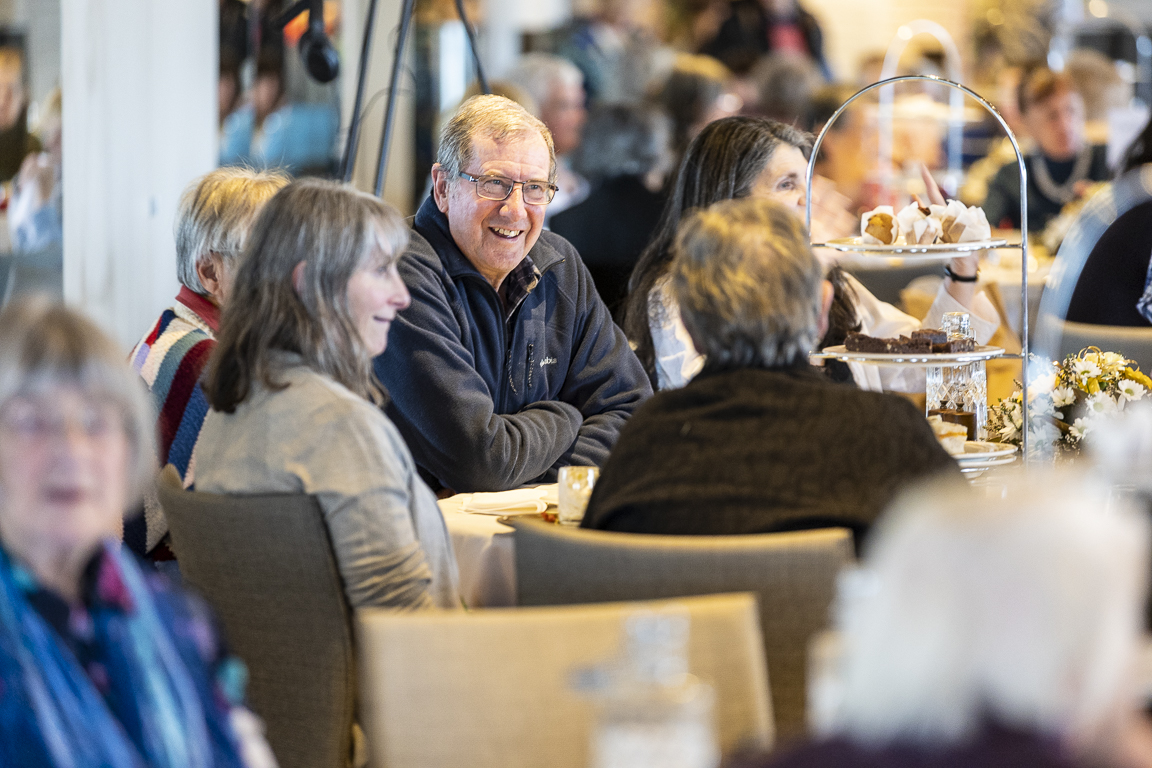
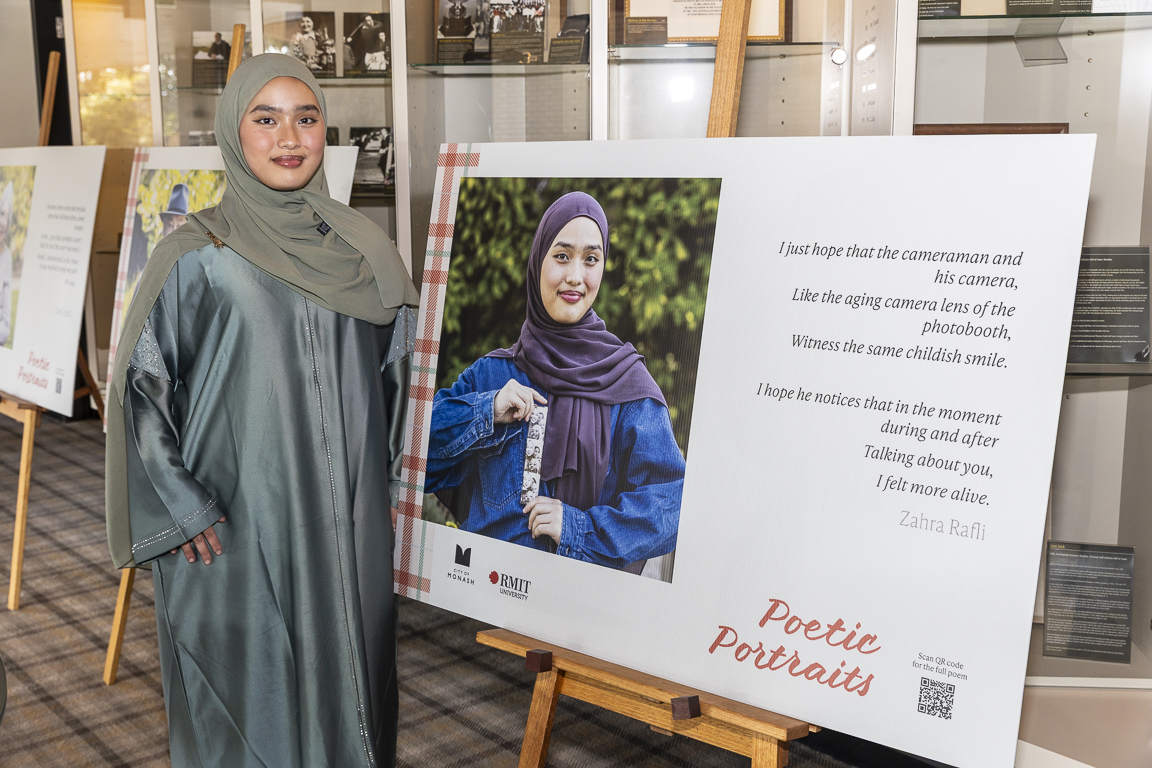
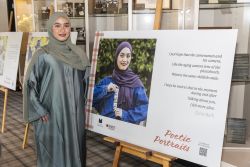
Audience feedback indicated increased empathy and reflection, particularly around ageing and identity. The project successfully challenged stereotypes by presenting authentic, diverse stories in highly visible public formats.
Project impacts and short-term outcomes:
Poetic Portraits delivered strong, measurable outcomes aligned with its goals of inclusion, voice, and connection.
Participation and engagement
Twenty residents completed the program, each producing two original poems, a professional portrait, and an audio recording. Many had no prior creative experience, demonstrating successful engagement of new and underrepresented participants.
Reach and visibility
The project achieved significant community reach:
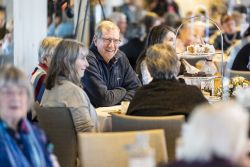
- 170+ attendees at the launch event
- ~150,000 passersby at the outdoor exhibition
- ~3,000 visitors to the Oakleigh Library installation
- 2,000+ online and audio engagements.
This demonstrated the success of multi-platform storytelling in extending impact beyond direct participants.
Inclusion and equity outcomes
Participants reflected diverse cultural backgrounds and ages (25–94), with several speaking English as a second language. The use of guided workshops and audio storytelling enabled equitable participation, ensuring all voices could be expressed and experienced.
Confidence and connection
Qualitative feedback highlighted increased confidence, pride, and sense of belonging. Participants reported feeling “seen,” “valued,” and “surprised by what they could create.”
New relationships formed across generations, with participants continuing to meet as a writers’ group—an immediate indicator of strengthened social connection.
Perception shift
Audience feedback indicated increased empathy and reflection, particularly around ageing and identity. The project successfully challenged stereotypes by presenting authentic, diverse stories in highly visible public formats.
These outcomes were measured through attendance data, digital analytics, participant feedback, and observational insights.
In the short term, Poetic Portraits achieved both scale (broad community reach) and depth (personal transformation), directly attributable to its inclusive, storytelling-led approach.
Capability and long-term impacts:
Poetic Portraits has strengthened Council capability by demonstrating a new, more inclusive model of community engagement—one that prioritises voice, creativity, and co-creation.
New ways of working
The project shifted practice from transactional engagement to relational, trust-based approaches. Staff developed skills in facilitation, inclusive design, and working with lived experience—capabilities that are now being applied across other programs.
Cross-functional collaboration
The project required coordinated input across Social Inclusion, Arts & Culture, Libraries, Placemaking, and Communications. This strengthened internal relationships and established a model for future collaborative delivery, improving organisational coordination and adaptability.
Partnership capability
Working with RMIT University and creative practitioners enhanced Council’s ability to engage external expertise and deliver high-quality outcomes through partnership.
Learning and adaptability
Key learnings—such as the effectiveness of multi-format storytelling and the value of public space activation—have been documented and are informing future program design. The project demonstrated the importance of flexibility, particularly in adapting to constraints such as limited gallery access.
Ongoing community impact
Participants have formed an independent writers’ group, sustaining connection and creativity beyond the project. Their stories continue to be shared through exhibitions and digital platforms, extending impact over time.
Organisational resilience
The project has increased Council’s confidence in delivering innovative, community-led initiatives within constrained environments. It has shown that high-impact outcomes can be achieved through creativity, collaboration, and inclusive design.
Ultimately, Poetic Portraits has strengthened the organisation’s ability to design and deliver programs that are responsive, human-centred, and impactful—capabilities that will endure beyond the life of the project.
Scalability and transferability:
Poetic Portraits offers a highly adaptable model that can be scaled and transferred across councils, communities, and contexts.
Replicable model
At its core, the project combines:
- Supported storytelling
- Professional creative outputs
- Multi-platform sharing
- Public activation.
This framework can be replicated at different scales—from small community groups to large, multi-site programs—depending on available resources.
Adaptability across cohorts
While this project focused on intergenerational participants, the model can be applied to:
- Culturally and linguistically diverse communities
- Young people
- Carers
- People with disability
- Isolated or vulnerable groups.
The storytelling medium can also be adapted (e.g. oral histories, film, digital storytelling), making it flexible across different contexts.
Accessible and low-barrier
The approach does not rely on specialised infrastructure. By leveraging partnerships and existing community spaces, councils can deliver high-impact outcomes with relatively modest investment.
Knowledge transfer
The project provides transferable learnings in:
- Inclusive engagement design
- Building participant confidence
- Embedding accessibility through multi-format delivery
- Using storytelling to drive empathy and connection.
These learnings can be shared through toolkits, case studies, and cross-council collaboration.
Contribution to broader outcomes
Poetic Portraits aligns with key UN Sustainable Development Goals, including:
- Goal 3: Good Health and Wellbeing (social connection, mental wellbeing)
- Goal 10: Reduced Inequalities (amplifying underrepresented voices)
- Goal 11: Sustainable Cities and Communities (inclusive, connected communities).
By demonstrating how storytelling can strengthen inclusion and community identity, Poetic Portraits provides a practical, human-centred model that other councils can adopt and adapt—creating value well beyond Monash.