

Innovation Case Study: THIS! Is Kingston
Kingston City Council
Discover the unexpected in Kingston
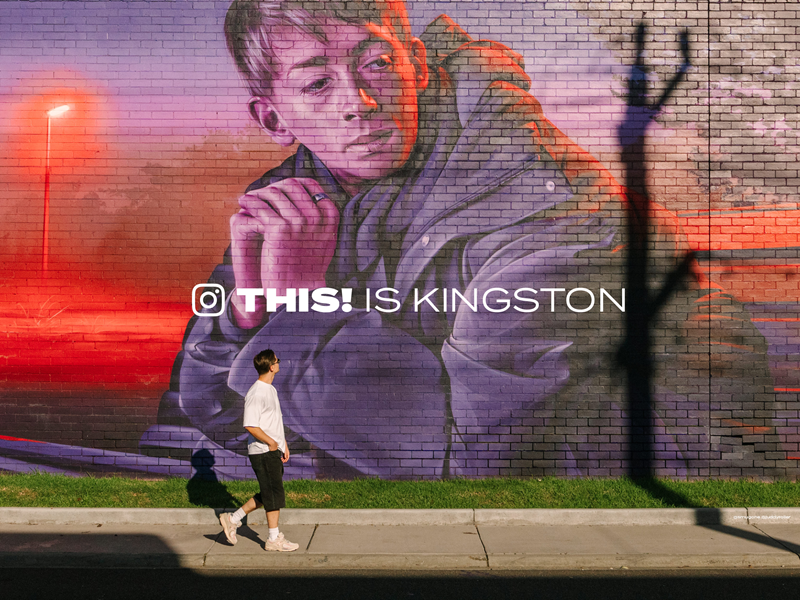
THIS! is Kingston is a bold destination storytelling campaign that reimagined how local government communicates place, culture and community. Through inclusive storytelling, creative branding and collaboration with approximately 150 local businesses, the campaign elevated Kingston's visitor economy, strengthened community pride and helped residents and visitors discover the unexpected.
2026 MAVlab Innovation Awards Joint Winner:
The Storytelling Award for Inclusive and Engaging Council Communications, supported by RMIT Regenerative Futures Lab
Project goals:
- Create a distinctive destination brand for Kingston.
- Increase awareness of Kingston's coast, culture and nature experiences.
- Engage and promote local businesses through inclusive storytelling.
- Showcase diverse businesses, communities and precincts across the municipality.
- Challenge traditional council communication and branding stereotypes.
- Build community pride and encourage local exploration.
- Attract visitors while supporting local economic activity.
- Develop a flexible, long-term brand platform separate from council's corporate identity.
Project team:
The core project team consisted of approximately 6–8 staff working day-to-day across Communications, Design, Digital and Economic Development. Additional support was provided by Customer Experience, Events and City Promotion teams during key delivery stages.
Project duration:
The project was developed over approximately 12 months, including research, brand development, stakeholder engagement, content creation and phased campaign rollout. Planning commenced in late 2023, with the public launch occurring in August 2024 and ongoing activation continuing throughout 2025.
Challenge and context:
Kingston faced a tourism and communications challenge: despite having a vibrant coastline, cultural venues, parks, hospitality precincts and local businesses, the municipality lacked a clear destination identity. Previous marketing blurred the line between Council messaging and tourism promotion, leaving Kingston perceived primarily as a pass-through beach suburb rather than a destination in its own right.
The challenge was compounded by rising cost-of-living pressures, which were changing visitor behaviour. Research showed people were increasingly choosing to spend their leisure time and money closer to home, creating an opportunity to promote local experiences while supporting the visitor economy.
Importantly, many small businesses felt they lacked visibility and consistent promotion. The campaign needed to engage a diverse business community spanning hospitality, retail, arts, recreation and services across multiple precincts.
With no existing tourism brand, historical campaign framework or legacy guidelines to build from, the team had to create an entirely new identity from a blank slate. The project also required overcoming traditional expectations of local government communications and demonstrating that a bold, contemporary storytelling approach could still be inclusive, community-focused and strategically effective.
Solution and innovation:
THIS! is Kingston responded with a storytelling-led destination brand built around three pillars: Coast, Culture and Nature. Rather than promoting only major attractions, the campaign celebrated everyday local experiences and the people behind them.
The innovation was twofold: first, the brand was intentionally separated from Council's corporate identity, allowing it to adopt a confident, playful and contemporary voice rarely seen in local government. Second, the campaign prioritised inclusive business storytelling.
Over the first year, the team engaged with approximately 150 local businesses, featuring businesses of different sizes, industries and backgrounds across social media, photography, video content and destination marketing. This created a shared platform where small operators could sit alongside established venues under one unified Kingston story.
The campaign was delivered through a phased rollout including outdoor signage, digital screens, social media, a dedicated website and branded merchandise. Accessibility and inclusion were embedded through diverse representation, community-focused language and content designed to resonate with both residents and visitors.
By combining research-led strategy with in-house creative production, Kingston delivered a highly distinctive destination campaign without relying heavily on external agencies.
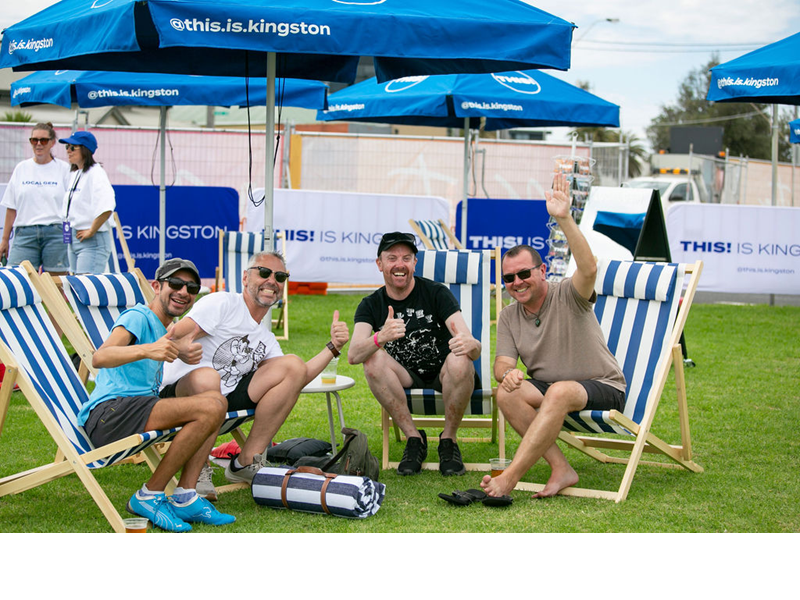
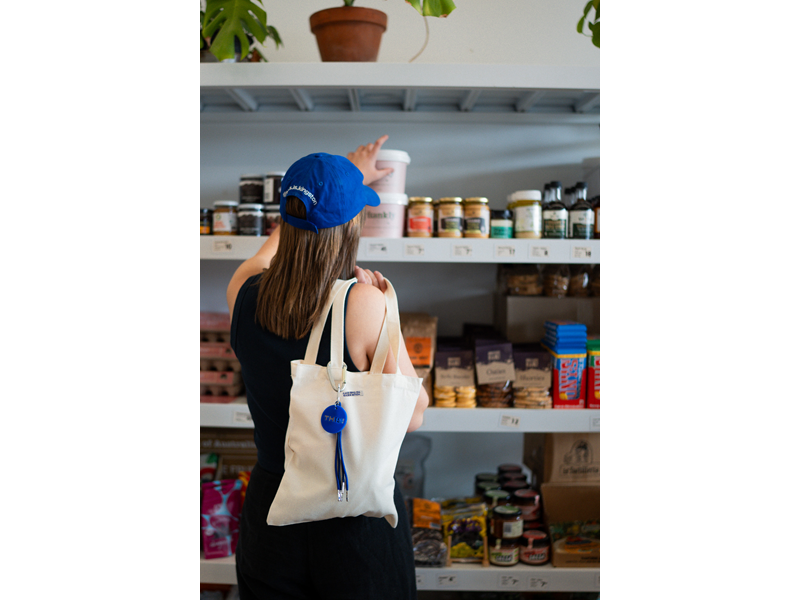

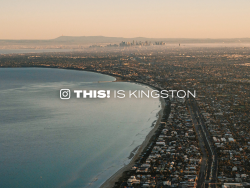
Over the first year, the team engaged with approximately 150 local businesses, featuring businesses of different sizes, industries and backgrounds across social media, photography, video content and destination marketing. This created a shared platform where small operators could sit alongside established venues under one unified Kingston story.
Project impacts and short-term outcomes:
The campaign achieved strong measurable outcomes within its first year.
- Audience growth = 10,000+ Instagram followers in the first year
- Content reach = 3.1M+ Views from business and destination content
- Campaign reach = 9M+ Campaign impressions across digital, outdoor and media
- Business engagement = 150+ Local businesses featured and promoted
- Kingston also recorded its first tourism growth in five years while neighbouring municipalities trended down.
Qualitative outcomes were equally significant. Residents reported discovering "so much on our doorstep," while newcomers described the campaign as a "game-changer" for connecting with the community. Local businesses reported increased visibility, customer engagement and a stronger sense of being supported by Council.
The project successfully shifted perceptions of Kingston from a drive-through destination to a vibrant place with a unique identity and diverse local experiences.
Capability and long-term impacts:
THIS! is Kingston strengthened Council's communications, branding and collaboration capabilities beyond the project itself.
The initiative established a new destination marketing platform that can be reused across tourism campaigns, events, precinct promotions and business partnerships, reducing future creative development costs.
It also demonstrated the value of cross-functional collaboration, bringing together Communications, Design, Digital, Economic Development, Customer Experience and Events teams under a shared vision. The project created new ways of working that combined research, storytelling and design more effectively than previous campaigns.
Importantly, the campaign built Council's confidence in creative, community-centred communications. Senior leaders empowered staff to take calculated creative risks, resulting in a more agile and innovative communications culture.
The ongoing engagement with approximately 150 local businesses also strengthened relationships between Council and the business community, creating a network that can support future economic development and tourism initiatives.
As a result, THIS! is Kingston has become an enduring capability, not just a one-off campaign.
Scalability and transferability:
The THIS! is Kingston approach is highly transferable to other councils seeking more engaging and inclusive communications.
Its three-pillar storytelling framework (Coast, Culture, Nature) can be adapted to reflect any municipality's unique strengths. The campaign also demonstrates how councils can maximise in-house creative talent and cross-functional collaboration rather than relying solely on large agency budgets.
The phased rollout model is scalable for councils with different budget levels, allowing awareness to build gradually across digital, outdoor and community channels.
Most importantly, the project provides a replicable model for inclusive business storytelling, showing how councils can engage local businesses as active participants in place-branding rather than passive stakeholders. By featuring approximately 150 businesses across diverse industries and precincts, Kingston created a shared community narrative that strengthened both economic development and civic pride.
The initiative also aligns with UN Sustainable Development Goal 11: Sustainable Cities and Communities by promoting local identity, supporting small businesses and fostering inclusive community participation.