
Innovation Case Study: Beach Safety: Innovation and Collaboration in Bass Coast
Bass Coast Shire Council
Coastal Safety Through Creative Storytelling and Inclusive Collaboration
In response to tragic 2024 drownings, Bass Coast Shire led a cross-sector beach safety initiative with partners including Life Saving Victoria and VicPol. Using inclusive storytelling and co-designed messaging across digital, print, and signage, the project reached 145,000+ people. The impact of the project included significant reduction in incidents at beaches and strong engagement across communications channels, including through partnerships with CALD community leaders. It is now recognised statewide as a leading model for water safety communication.
2025 MAVlab Innovation Awards Finalist:
The Engage Award for Impactful and Inclusive Storytelling, supported by Fireside Agency.

Project statistics:
- 3 council staff
- Project duration: January 2024 commencement and ongoing in 2025.
Project goals:
- Drive community awareness and behavioural change around beach safety
- Co-design messaging with CALD communities and peak tourism partners
- Elevate inclusive storytelling across digital, print, and physical signage
- Create scalable, evidence-informed campaigns and tools
- And establish regional leadership in collaborative water safety education.
Challenge and context:
Bass Coast Shire has the second-highest coastal drowning rate in Victoria, with 32 fatalities in the last decade—five times the state LGA average. During the summer of 2023–24, the region experienced several tragic drownings, highlighting gaps in messaging coordination, signposting, and communication with culturally and linguistically diverse (CALD) visitors.
With over 40,000 summer tourists—many unfamiliar with local conditions—and multiple land managers overseeing beaches, safety messaging was fragmented. CALD communities, often travelling from inner metro Melbourne, lacked tailored, accessible information. Many visitors booked via short-term rental platforms like Airbnb and missed standard visitor safety briefings.
Council identified that the core problem was communication breakdown, not infrastructure. Fragmented storytelling meant that key messages weren’t reaching the right people, at the right time, in the right way.
In response, Council set a bold vision: to redefine safety communication as inclusive storytelling. This involved co-designing messages with user groups, aligning efforts across agencies and councils, and creating an evidence-informed regional narrative around beach safety.
Constraints included:
- No direct authority over all beaches (shared between Parks Victoria, PINP, and private landowners)
- Low trust and limited access to CALD audiences
- Budget limitations across agencies.
This was a storytelling challenge of scale, urgency, and nuance. Bass Coast led with creativity, humility, and a commitment to collaboration, establishing a model that has since become an example for the state.
Innovation and solution:
Bass Coast reframed beach safety as a shared narrative challenge, with storytelling positioned as the solution.
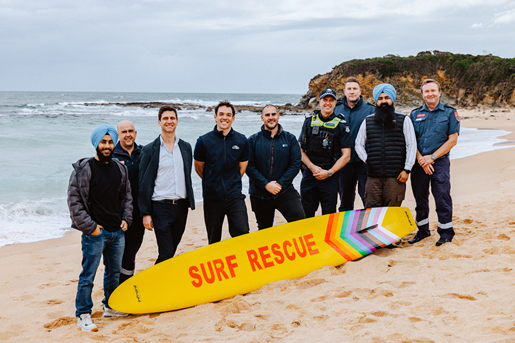
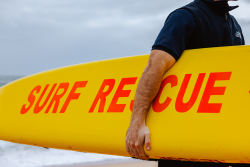
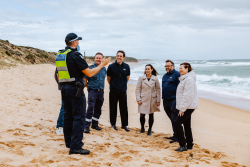
Locally, the Beach Safety Working Group was formed, bringing together Council, VicPol, Surf Lifesaving Clubs, Parks Victoria, and community leaders. Regionally, Bass Coast and Mornington Peninsula established the Cross-Council Drowning Prevention Group, commissioning Life Saving Victoria to co-develop Victoria’s first Regional Drowning Prevention Framework.
The innovation was not just in content, but in process:
- User journey mapping: Council analysed how different groups—tourists, short-stay renters, CALD families—accessed information, then reverse-engineered storytelling points to match.
- Shared messaging toolkit: Developed across agencies to ensure consistency, scale, and inclusivity.
- Multi-format storytelling:
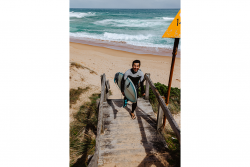
- Digital: Social media campaigns reached 145,000+ users with visual, multilingual, and culturally tailored content.
- Print: Co-branded collateral distributed in visitor centres, accommodation, and council venues.
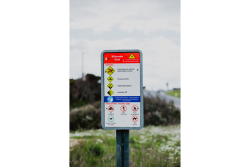
- Signage: Secondary hazard signage installed across beaches in partnership with PINP and Parks Victoria.
- Community engagement: In-person workshops with CALD leaders and tourism operators to build local champions.
Council did not control every touch point, but it orchestrated the story. Messaging was designed not just to inform, but to empower. From visual accessibility to cultural relevance, inclusion was central.
This approach differs from previous fragmented efforts by grounding safety in collaborative, evidence-led storytelling. Through bold leadership, Bass Coast built a narrative ecosystem that now sets the standard in Victoria.




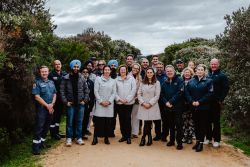
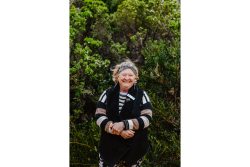
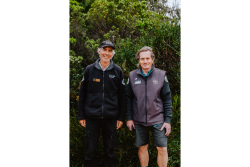

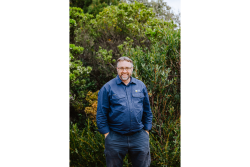
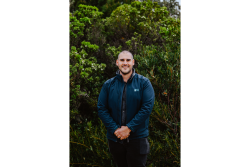
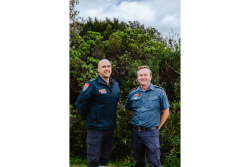
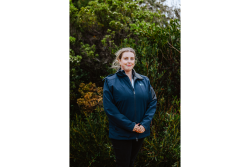
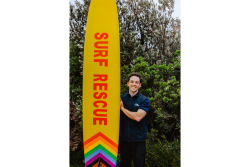

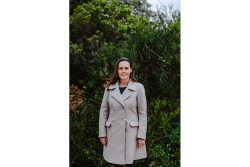
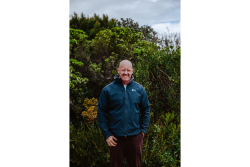
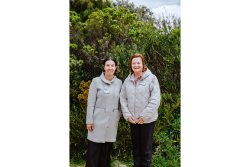
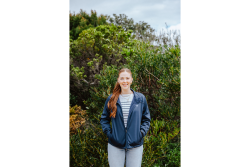
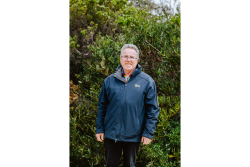
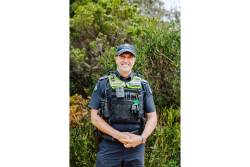

This is not just a communications project — it’s a model for narrative-driven public safety and resilience.
Impact and outcomes:
This project delivered both life-saving and legacy-building outcomes.
Quantitative results:
- Zero drownings recorded in Bass Coast over the 2024–25 summer (compared to 6 the previous season)
- 145,000+ digital impressions from beach safety content
- $10,000 regional co-investment secured for new safety research
- And 3 beach hazard signage sites upgraded in partnership with Parks Victoria and Life Saving Victoria.
Qualitative impact:
- Messaging is now aligned across land managers, reducing confusion and increasing clarity for beachgoers
- CALD community leaders are actively engaged in message development, enhancing cultural safety and relevance
- Peak tourism groups and local accommodation providers now share aligned safety material, widening reach at key visitor touchpoints
- And Council’s collaboration model has been presented at:
- National Multicultural Communities Water Safety Workshop
- Victorian Inland Waterways Forum.
Inclusive storytelling was central. By grounding content in user experience, the initiative reached harder-to-engage communities, especially CALD groups disproportionately impacted by coastal drowning.
The legacy is not just the summer without tragedy, but the systems now in place:
- Collaborative working groups
- Shared messaging toolkits
- And a regional framework that will guide water safety communications for years to come.
This is storytelling with impact — measurable, meaningful, and replicable.
Scalability:
Bass Coast’s approach to beach safety storytelling is already influencing councils across Victoria.
The project’s Cross-Council Drowning Prevention Framework — the first of its kind in the state — is being used by Life Saving Victoria to inform statewide water safety strategies. It provides practical methods for:
- Aligning messaging across multiple agencies
- Building trust with CALD communities
- Tailoring content to key user journeys.
This framework is applicable across both coastal and inland LGAs.
Council’s digital and print collateral — including signage designs, user journey guides, and media templates — has been openly shared with other councils through sector presentations and networks.
The framework supports:
- Scalable regional collaboration
- Community co-design and data-informed storytelling
- Replicable digital campaign models
- Easy adaptation for other high-risk locations (lakes, rivers, creeks).
Contribution to UN Sustainable Development Goals:
- SDG 3: Good Health and Wellbeing – preventing injury and death through education
- SDG 11: Sustainable Cities and Communities – designing safer, more accessible public spaces
- SDG 17: Partnerships for the Goals – enabling regional, cross-sector collaboration.
This is not just a communications project — it’s a model for narrative-driven public safety and resilience.
Councils facing fragmented messaging, complex land ownership, or diverse user groups can adopt and adapt this approach. Bass Coast has created a lighthouse model for collaborative, inclusive safety storytelling — one that can save lives across the state.
Learn more:
- Bass Coast Shire Council
- Bass Coast Cross Council Partnership Launches First-of-Its-Kind Water Safety Framework
- Mayor's Message - 19 December 2024
- Sentinel Times: Coast agencies combine for beach safety campaign - 27 November 2024
- NGC VicPol Beach Safety (YouTube)
- Contact Nick Grant-Collins (Coordinator Community Safety and Resilience, Bass Coast Shire Council)