
Innovation Case Study: Northcote Aquatic and Recreation Centre
Darebin City Council
Northcote's New Heart: Regenerative, All-Electric, and for Everyone
Completed in 2023, the all-electric Northcote Aquatic and Recreation Centre is a 6 Star Green Star facility powered by renewables, featuring water reuse systems, green infrastructure, and a 450kW solar array. Replacing a gas-powered centre, it advances climate action and community wellbeing. A RecycleSmart partnership supports waste recovery, with impact measured through emissions, waste diversion, and user satisfaction.
2025 MAVlab Innovation Awards Winner:
The Systems and Cycles Award for Regenerative Design, supported by RMIT University.
Project statistics:
- Team: 16 FTE council staff were involved in delivering the project over a five-year period. This included project managers, as well as staff contributing during pre-studies, community engagement, and environmental sustainability phases.
- Duration: Approximately 5 years, with construction from October 2021 and practical completion achieved 26 September 2023.
Project goals:
- Replace ageing, high-maintenance infrastructure with a future-ready, climate-resilient design
- Eliminate fossil fuel use by delivering an all-electric, zero-emissions building
- Create a regenerative facility powered by renewable energy and supported by circular water and waste systems
- Prioritise accessibility and inclusion for all users, including First Nations peoples, LGBTQ+ communities, people with disability, seniors, and culturally diverse communities
- Honour Country through meaningful Wurundjeri consultation and culturally embedded design features
- Foster physical and mental wellbeing through a welcoming, safe, and inclusive community hub
- Set a new benchmark for local government-led infrastructure
- Provide a vibrant social hub that connects people of all ages and backgrounds.
Challenge and context:
The Northcote Aquatic and Recreation Centre (NARC) redevelopment emerged from a convergence of urgent challenges. The previous facility, operating for over 40 years, was beloved by the community but had reached end-of-life. It was inefficient, costly to maintain, and responsible for over 1,400 tonnes of CO₂-e emissions annually, consuming more than 26 million MJ of gas each year. This presented a clear conflict with Darebin City Council’s 2016 Climate Emergency declaration and its commitment to carbon neutrality.
Replacing a facility so deeply embedded in the social fabric of the community — especially one frequented by children, seniors, culturally diverse communities, people with disability, and First Nations peoples — required both innovation and care. Importantly, Council engaged in meaningful consultation with the Wurundjeri people, the Traditional Custodians of the land. Their input shaped the design through cultural features including a permanent ceremonial pit, billabongs, and the kingfisher façade, connecting the Centre to Country and supporting its evolution into a socially inclusive, future-proofed, zero-emissions community hub.
Significant challenges included balancing community expectations with environmental ambition, integrating cutting-edge sustainability features within a constrained urban site, and designing for multiple user needs across sport, health, rehabilitation, and leisure. Inclusive design was essential to ensure equitable access — from fully accessible change rooms and pool ramps to quiet spaces for neurodiverse users.
The COVID-19 pandemic added further complexity, disrupting construction timelines and creating uncertainty for community engagement and project delivery. Despite this, Council maintained a clear vision: to create a regenerative, all-electric public facility that is healthy, welcoming, and climate-resilient.
“The old centre was part of our lives for decades — it’s where my kids learned to swim, and where I’ve stayed active as I’ve aged. It’s amazing to see it transformed into something that’s not just for us, but for the planet too.” — Local resident, Northcote
Replacing a facility so deeply embedded in the community required careful stewardship to ensure NARC could evolve into a socially inclusive, future-proofed, and zero-emissions hub, without losing the strong sense of place that locals deeply valued.
Solution and innovation:
Darebin City Council reimagined the Northcote Aquatic and Recreation Centre as a model for how local government infrastructure can lead on climate action, inclusion, and community wellbeing — all within one project. The solution was to deliver a regenerative, all-electric, 6 Star Green Star–certified facility that is socially, environmentally, and economically sustainable.
Key features include:
- Elimination of all fossil fuels with a 100% renewable energy supply
- A 450 kW solar PV system and high-efficiency all-electric mechanical systems
- Rainwater harvesting and greywater reuse through reed-bed filtration
- Full accessibility, including Changing Places facilities, pool ramps, and quiet rooms
- Use of recycled and low-carbon materials in construction
- Ongoing resource recovery through RecyclingSmart for soft plastics and hard-to-recycle waste
- Incorporation of Indigenous cultural elements, developed through meaningful consultation with the Wurundjeri people.
The building is designed to operate without fossil fuels. Energy efficiency measures include double glazing, optimal envelope insulation, economy cycles on air-handling units, and heat recovery systems on extracted air to preheat the incoming air supply. Pool covers reduce heat loss and water evaporation, and the lighting system is entirely LED. The design follows a “fabric first” approach, with careful attention to thermal zoning and passive performance to reduce heating and cooling demand.
The design and implementation process was collaborative and community-driven. Council led extensive stakeholder engagement, including targeted consultations with people with disability, culturally and linguistically diverse (CALD) communities, seniors, First Nations groups, and local sport and health users. This informed a truly inclusive design, where Traditional Knowledge, wellbeing, access, and community pride were prioritised alongside environmental performance.
This project marks a clear departure from business-as-usual aquatic facility design. While many facilities focus on basic energy efficiency or isolated upgrades, NARC demonstrates an integrated approach to energy, water, materials, and social outcomes — grounded in reconciliation, Council’s Climate Emergency declaration, and equity principles.
It sets a precedent for local government by embedding regenerative thinking from early design through to long-term operations. By prioritising electrification, circular systems, and universal access, Darebin has created not just a building, but a new benchmark for how councils can deliver future-ready, people-centred infrastructure that serves the planet and the community equally.


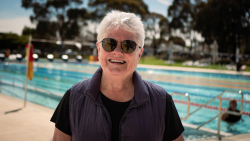
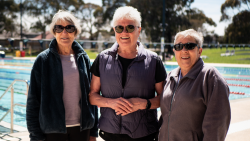
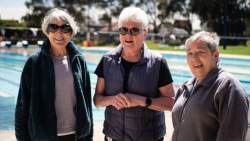
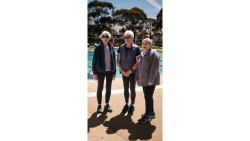
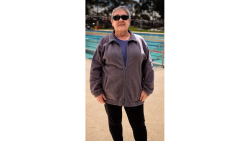
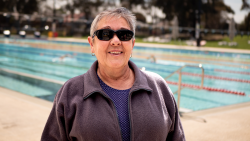
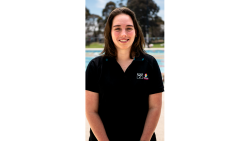
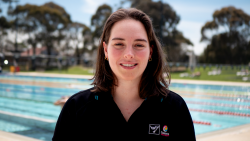
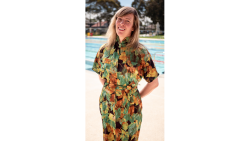
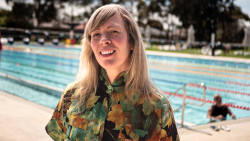
The old centre was part of our lives for decades—it’s where my kids learned to swim, and where I’ve stayed active as I’ve aged. It’s amazing to see it transformed into something that’s not just for us, but for the planet too.
— Local resident, Northcote
Impact and outcomes:
Since opening in late 2023, the Northcote Aquatic and Recreation Centre has delivered transformative environmental, social, and health outcomes aligned with Darebin’s Climate Emergency declaration and community wellbeing goals.
The environmental impact is clear and measurable. The Centre has eliminated more than 1,400 tonnes of CO₂-e emissions annually by transitioning from gas to 100% renewable electricity, supported by a 450 kW solar PV system. Water-saving systems, including rainwater harvesting and greywater reuse, significantly reduce potable water consumption. Waste diversion through a partnership with RecycleSmart further reduces landfill contributions and embodies circular economy principles.
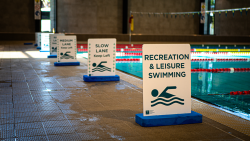
Social outcomes have been equally significant. The Centre has become a vibrant community hub, welcoming diverse groups including seniors, people with disability, culturally diverse families, and the LGBTQ+ community. Inclusive design features — such as Changing Places facilities, pool ramps, quiet rooms, multilingual signage, and an all-gender changing village — have enhanced accessibility and fostered a strong sense of belonging for all users. Early user surveys show high satisfaction across all demographics, alongside increased participation in aquatic and health programs.
Health and wellbeing benefits extend beyond physical exercise, fostering social connection, mental wellbeing, and resilience in a welcoming and supportive environment. The Centre has become a critical space for rehabilitation and community engagement, particularly for vulnerable populations.
Importantly, the project sets a new precedent for local government infrastructure, demonstrating that ambitious climate action and deep social inclusion can coexist and reinforce one another.
“The new centre is more than a pool — it’s a place where I feel included and supported. As a parent and someone with a disability, it means the world to have a space designed for everyone.” — Community member and accessibility advocate
These impacts will continue to grow through ongoing monitoring, community feedback, and innovative programming, ensuring the Centre remains a leader in regenerative, inclusive design and community wellbeing.
Scalability:
The Northcote Aquatic and Recreation Centre (NARC) redevelopment sets a scalable model for regenerative, inclusive, and climate-responsive infrastructure that can be adopted by councils across Victoria and nationally.
By integrating full electrification, water reuse systems, circular material use, and deep social inclusion from the outset, NARC demonstrates how local governments can simultaneously respond to climate emergencies and strengthen community wellbeing. The project’s holistic approach — combining technical innovation with meaningful stakeholder engagement and universal design — creates a blueprint that other councils can adapt to their unique contexts.
Darebin City Council is committed to sharing detailed project learnings, design guidelines, and performance data through networks such as the Municipal Association of Victoria (MAV), the Council Alliance for a Sustainable Built Environment (CASBE), and regional sustainability forums. These platforms enable collaborative knowledge exchange and support the widespread adoption of regenerative infrastructure principles.
Within Darebin, the project is informing upgrades to other council facilities, reinforcing a precinct-scale approach to sustainability and inclusion.
The Centre’s alignment with the United Nations Sustainable Development Goals (SDGs) is clear:
- SDG 3: Good Health and Wellbeing — fostering inclusive, accessible spaces that promote physical and mental health
- SDG 6: Clean Water and Sanitation — delivering innovative water recycling and conservation systems
- SDG 7: Affordable and Clean Energy — eliminating fossil fuel use and maximising renewable energy generation
- SDG 11: Sustainable Cities and Communities — creating resilient, equitable community infrastructure
- SDG 12: Responsible Consumption and Production — enabling circular material use and waste diversion
- SDG 13: Climate Action — leading by example in local government carbon neutrality efforts.
NARC exemplifies how regenerative design can act as a catalyst for systemic change, inspiring councils to accelerate climate action while building stronger, healthier, and more inclusive communities.
Learn more:
- Northcote Aquatic & Recreation Centre (NARC)
- City of Darebin: Northcote Aquatic and Recreation Centre
Additional videos about the centre: