
Innovation Case Study: Smart Asset Monitoring at Casey Fields
Casey City Council
Data-driven Decisions for Elite Community Sport Facilities
Launched in 2024, this initiative uses smart sensors and AI vision across the 80-hectare Casey Fields to monitor usage, traffic, and maintenance needs. Supporting both community and elite sport, the project enhances asset management through real-time data. Value is demonstrated through improved planning, budget alignment, stakeholder engagement, and more informed, data-driven decision-making — continuing into 2025.
2025 MAVlab Innovation Awards Finalist:
The Fin-novation Award for Financial Ingenuity, supported by Finpro.

Project statistics:
- Team: Approximately 6-8 core team members from the Smart City team and Casey Fields operations
- Duration: 18 months (January 2024 - June 2025)
- Milestones:
- Planning & scoping: Q1 2024
- Deployment: Q2-Q4 2024
- Data collection & analysis: Ongoing through 2025.
Project goals:
- Improve maintenance scheduling and budgeting through the use of real-time usage data
- Enhance safety and traffic management across the precinct
- Support elite turf standards required by professional sports teams
- Justify cleaning and maintenance costs using accurate, evidence-based usage metrics
- Align asset upkeep with community needs and seasonal usage patterns.
Challenge and context:
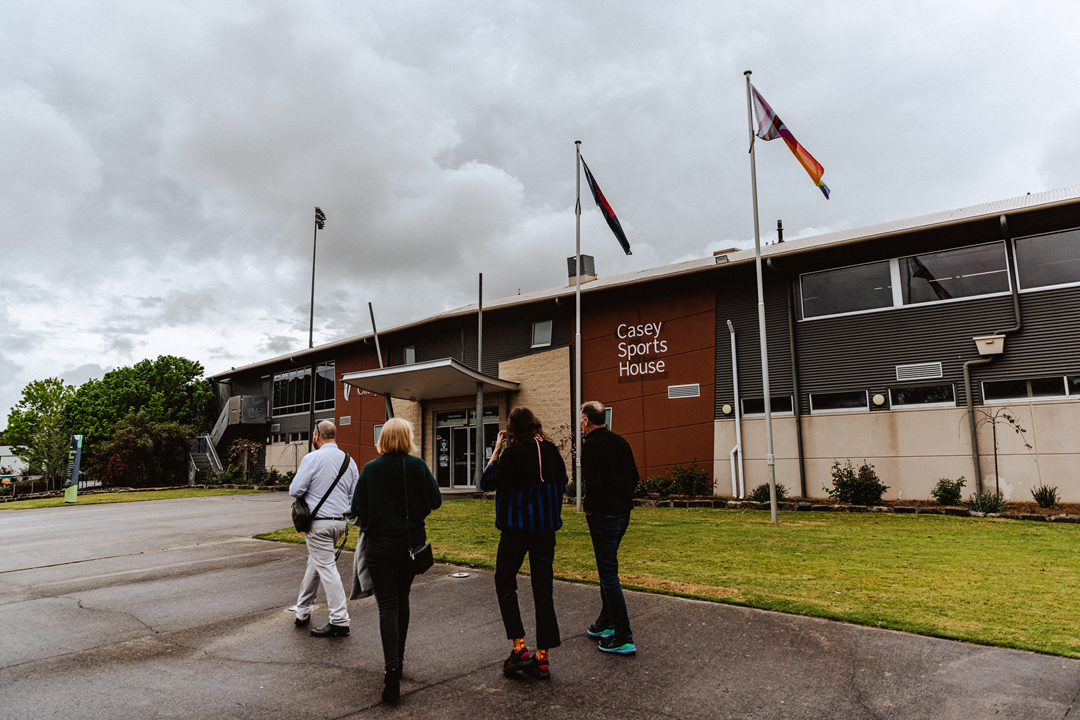
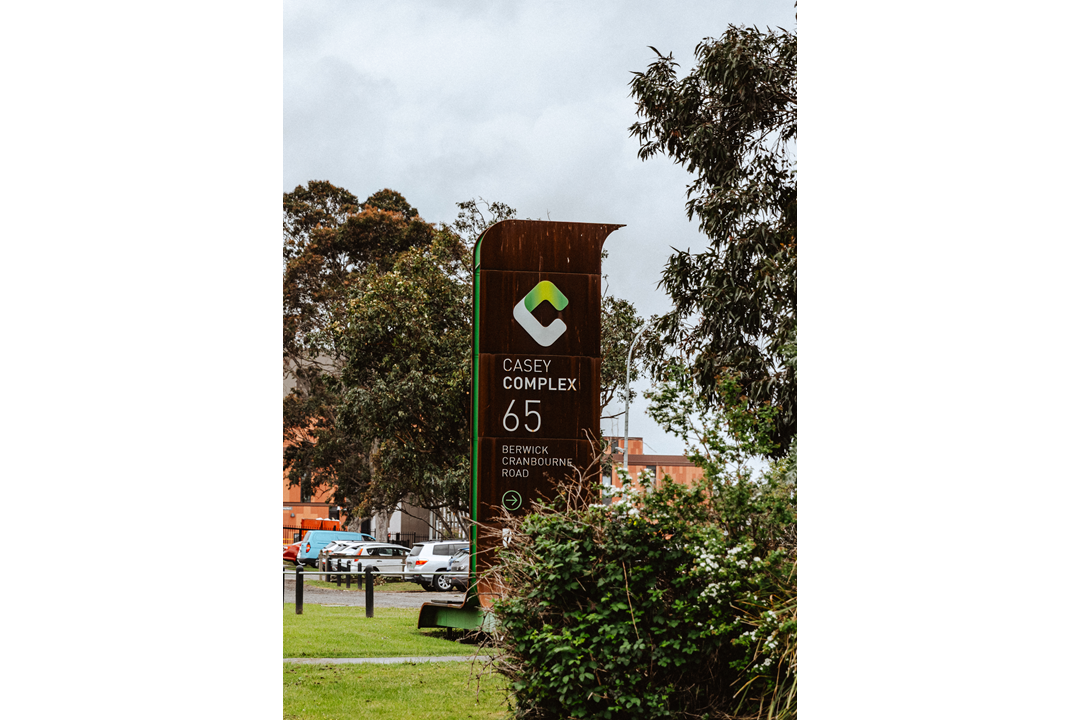
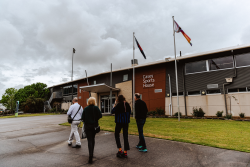
Casey Fields is a premier 80-hectare sporting precinct in the City of Casey, hosting elite teams such as the Melbourne Football Club and Melbourne City FC, alongside extensive community use. In 2024, the Smart City team was approached to help address growing concerns around asset maintenance, safety, and budget justification. The scale of the site and the diversity of its users presented unique and increasing challenges.
The dog park, for example, received the highest number of community requests and consistently exceeded maintenance budgets, yet lacked the data needed to guide service delivery. The internal road network, originally designed for venue access, began absorbing overflow traffic from surrounding residential growth, leading to safety concerns such as speeding and near misses. The AFL oval required the maintenance of elite turf standards but lacked usage data to support negotiations with professional clubs around renovation and wear. Meanwhile, the athletics track and grandstands required cleaning and maintenance justification, particularly during peak school use and major events.
The challenge was not only technical but also relational, requiring a careful balance between the needs of elite sporting stakeholders and broader community expectations, while maintaining transparency and trust in decision-making. Diverse cohorts — including children, casual users, and event attendees — needed to be considered in relation to safety, privacy, accessibility, and equitable service delivery. The absence of reliable, real-time data made it difficult to plan proactively, justify funding, or respond effectively to seasonal and usage-based fluctuations.
This context demanded an innovative, scalable, and inclusive solution capable of delivering real-time insights, supporting strategic planning, and improving operational efficiency across a complex, high-value public asset.
Solution and innovation:
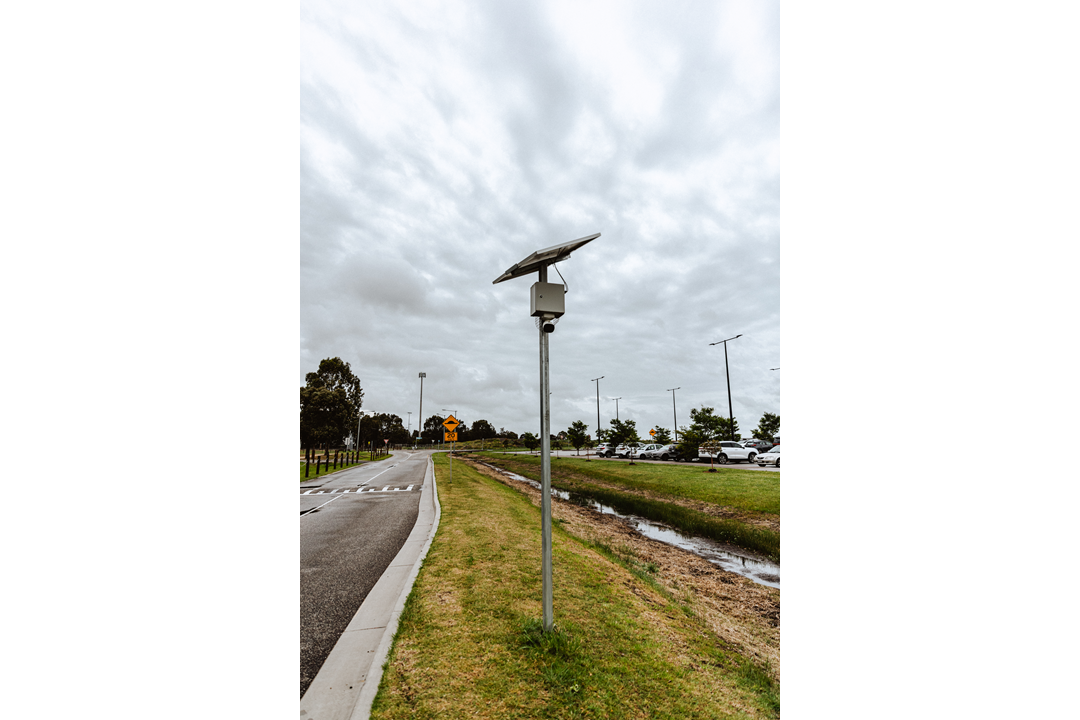
To address these challenges, the Smart City team designed and deployed a smart sensor device network across Casey Fields. This included camera systems, gate sensors, and people and vehicle counters, all connected via a dedicated LoRaWAN gateway.
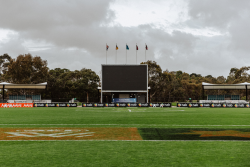
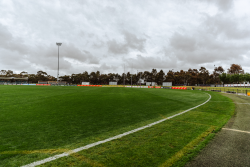
The innovation lay in integrating multiple data sources to create a holistic view of asset usage across the precinct. For example, AI-enabled vision at the AFL oval provided granular data on turf wear, supporting negotiations and helping set clear expectations with the Melbourne Football Club regarding when turf renovations are required. The oval data captures “play hours” on the surface, placing usage into clear operational context for elite teams. Vehicle counters helped build a strong evidence base for improved traffic management, demonstrating that existing parking facilities would benefit from design improvements as part of the scope for a new mini-stadium currently being planned for the site.
Entry counters at the athletics track validated observational data, enabling cleaning schedules to align with peak usage and supporting funding applications for ongoing maintenance. Dog park usage data allowed maintenance to be scheduled during low-traffic periods and revealed clear patterns in how the facility is used. This has informed more predictable maintenance spending while improving operational efficiency and user satisfaction.
Stakeholder engagement was central to the project’s success. The Smart City team worked closely with Casey Fields management, professional clubs, and community groups to ensure the solution met diverse needs. The system was designed to be inclusive, capturing data across all user types — from elite athletes to casual visitors and school groups — to support equitable service delivery.
This approach marked a shift from reactive to proactive asset management. Unlike traditional methods reliant on anecdotal evidence or periodic surveys, the solution provides continuous, objective data. It advances local government practice by embedding smart infrastructure into everyday operations, enabling data-driven decisions that are transparent, inclusive, and responsive to real-world usage.
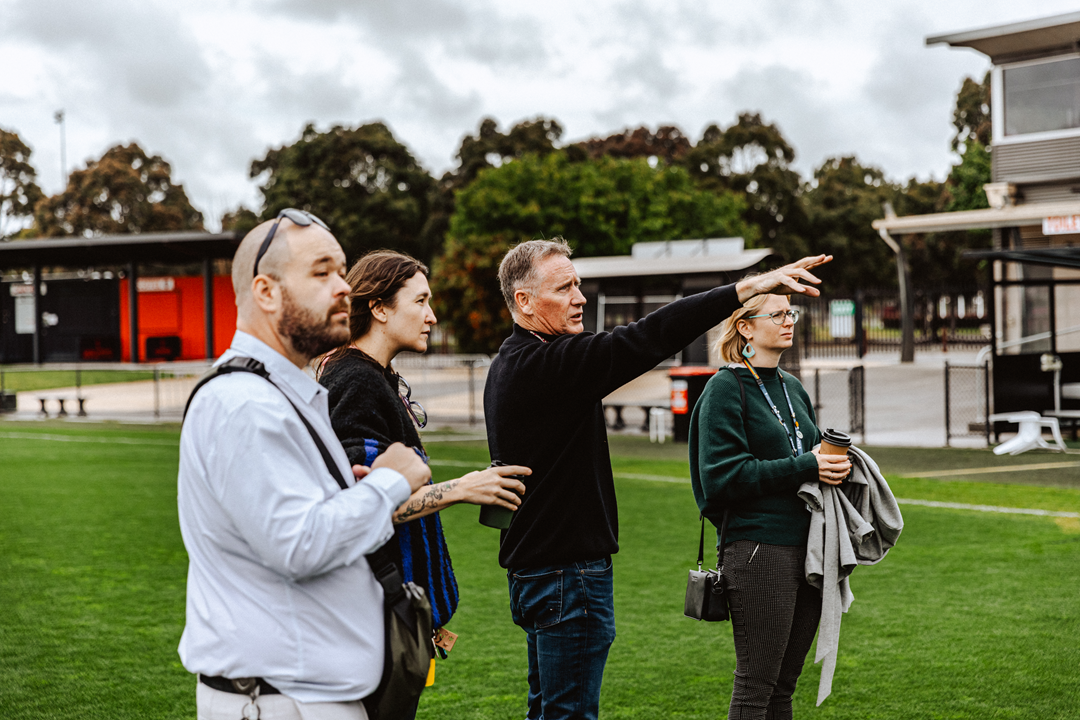
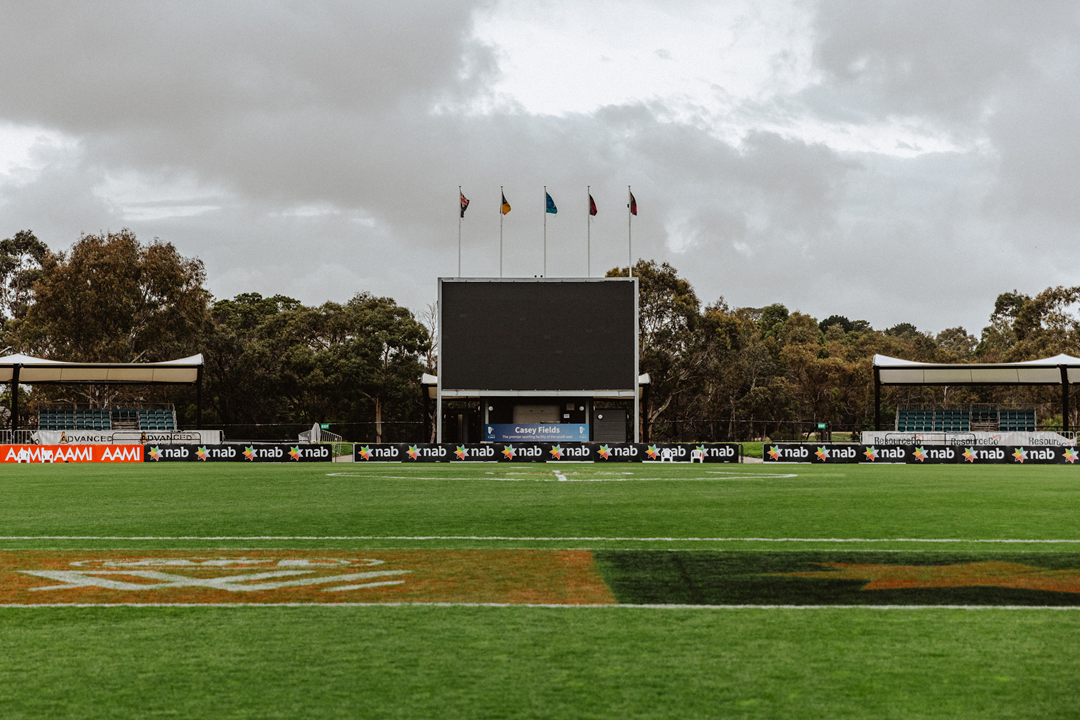
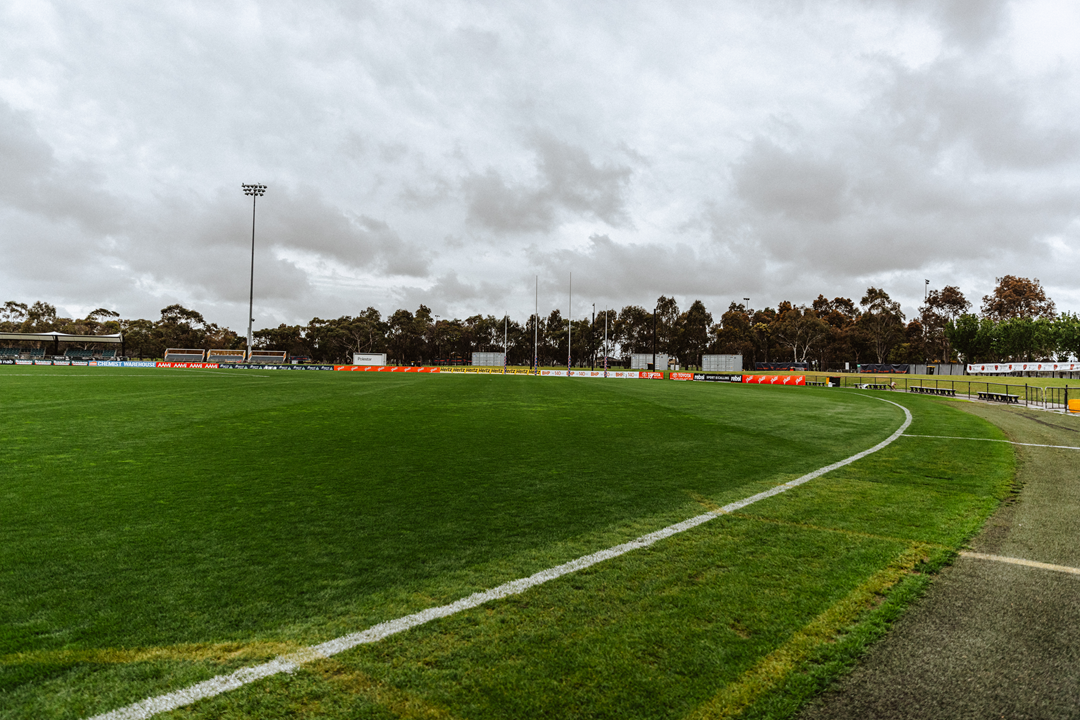
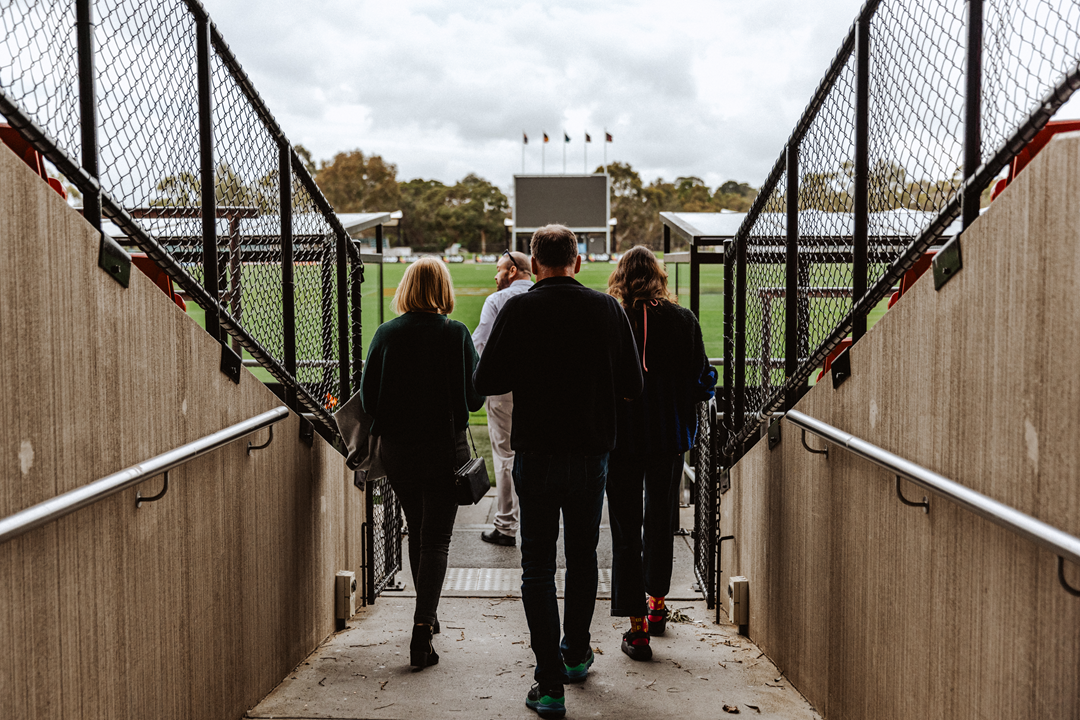
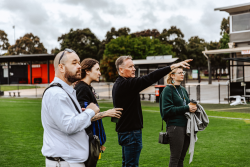
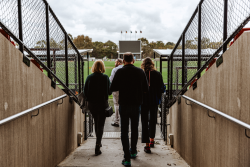
As data continues to accumulate, the impact will grow, enabling predictive maintenance, stronger funding justification, and more responsive service delivery.
Impact and outcomes:
The project has already delivered significant outcomes across multiple domains. At the AFL oval, usage data is now used to support annual renovation discussions with the Melbourne Football Club, helping maintain elite turf standards while minimising disruption. This data provides leverage in negotiations and ensures renovations are aligned with actual wear and tear.
Traffic data along Woolepe Way has informed planning for improved road safety and infrastructure, including the design of access roads and parking for a new mini-stadium currently in planning. It also supports traffic management during major events, improving safety and traffic flow for all users.
At the athletics facility, entry data has validated observational insights and supported funding applications for cleaning and equipment upgrades. Cleaning schedules are now aligned with peak usage periods, and maintenance planning considers wear from both school groups and casual users. This ensures resources are allocated efficiently and equitably.
Dog park maintenance is now directly informed by usage data, allowing mowing and gate checks to be scheduled during low-use periods. This has improved service delivery while reducing operational costs.
Overall, the project has enhanced accessibility by ensuring facilities are maintained when and where they are most needed. It supports inclusion by capturing data across all user types and informing decisions that benefit both elite and community users. Value is measured through improved planning, budget alignment, stakeholder satisfaction, and reduced reactive maintenance. As data continues to accumulate, the impact will grow, enabling predictive maintenance, stronger funding justification, and more responsive service delivery. The project has laid a strong foundation for smarter, more inclusive asset management across the City of Casey.
Scalability:
The success of the Casey Fields initiative demonstrates strong potential for scalability across other council-managed assets. The sensor network and data analytics model can be adapted to parks, libraries, community centres, and other multi-use venues. The modular nature of the technology — including AI vision, gate sensors, counters, and LoRaWAN connectivity — makes it flexible and cost-effective to deploy across a range of environments.
Within the City of Casey, this approach can be replicated across other high-use facilities to improve maintenance planning, justify budgets, and enhance community satisfaction. Beyond Casey, the model provides a clear blueprint for other councils seeking to balance shared use between elite sporting organisations and the broader community. By sharing learnings and frameworks through council networks, the initiative has strong potential to scale smart asset management practices regionally and nationally.
The project aligns with the following United Nations Sustainable Development Goals:
- Goal 11: Sustainable Cities and Communities — through smarter infrastructure and inclusive planning
- Goal 9: Industry, Innovation and Infrastructure — by embedding technology into public service delivery
- Goal 3: Good Health and Well-being — by supporting active lifestyles and safe, well-maintained environments
- Goal 17: Partnerships for the Goals — by fostering collaboration between council teams, professional sports organisations, and the community.
By leveraging data to inform decision-making, the project promotes transparency, equity, and sustainability — principles that can be scaled across municipalities to create smarter, more resilient cities.