

Innovation Case Study: Doing Planning Differently
Murrindindi Shire Council
Integrated design, housing and growth planning to build thriving regional places
Murrindindi Shire turned a rural housing and workforce crisis into a delivery pipeline. In a post-disaster, hazard-exposed Shire, we have connected design, housing and township planning to shift from strategy to action, unlocking key worker housing, directing growth to safer serviced locations and giving small rural communities a practical model for resilience-led place-making.
2026 MAVlab Innovation Awards Winner:
The Thriving Places Award for Design and Planning Excellence, supported by JLT Public Sector


Project goals:
The goal was not simply better planning; it was to make planning deliver in a rural shire facing housing shortage, workforce instability and escalating disaster risk.
Council set four outcome-driven goals:
- reduce risk by directing growth to safer, serviced township locations and embedding bushfire, flood and climate considerations into decisions;
- turn housing strategy into delivery by creating clearer pathways for infill, key worker housing and investable precincts;
- support workforce stability by linking housing supply to essential services, local business continuity and recovery capacity; and
- strengthen long-term financial sustainability by using existing infrastructure more efficiently and avoiding dispersed, costly growth.
This was deliberately more ambitious than business as usual: a shift from separate strategies to a practical delivery system for safer, more resilient and economically viable rural townships.
Project team:
A small cross-functional council team led delivery across strategic planning, economic development, infrastructure and community engagement, deliberately breaking down traditional silos.
Around 10 staff worked across interconnected project streams, supported by targeted specialist advice in urban design, planning and housing delivery.
The innovation was as much organisational as technical: Council used limited internal capacity to create one coordinated delivery model, aligning policy, infrastructure, housing and investment decisions.
This changed how teams worked together, shifting from isolated planning outputs to shared accountability for outcomes on the ground.
Teams and contributors:
- Strategic Planning Team
- Economic Development Unit
- Infrastructure and Delivery Teams
- External planning and urban design consultants
- Housing and development partners
- Local businesses and community stakeholders
Project duration:
The project was delivered in phased stages over the last 12 months progressing from strategy development to implementation.
Stage 1: Residential Design Guidelines (setting the shape of future residential developments)
Stage 2: Yea Structure Plan and Alexandra East Development Plan (future growth planning)
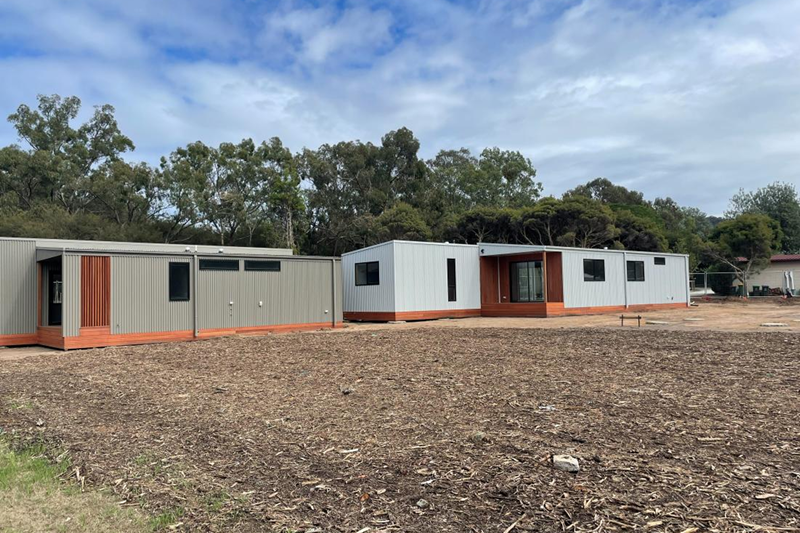
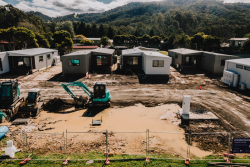
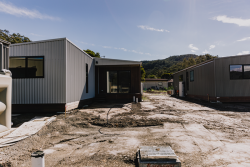
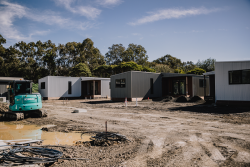
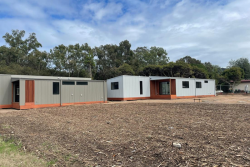
Stage 3: Eildon Key Worker Housing Project (implementation of the Key Worker Housing Strategy – enabled successful application through the Regional Worker Accommodation Fund)
This staged approach enabled early wins while building toward longer-term outcomes.
The program also responded to evolving conditions, including post-bushfire recovery and emerging housing pressures, demonstrating adaptability while maintaining a consistent strategic direction.
Challenge and context:
Murrindindi’s challenge was not simply growth pressure; it was the risk that housing shortage, workforce instability and disaster exposure would combine to weaken the services and communities rural towns rely on.
Limited housing supply, particularly for key workers, had become a barrier to attracting and retaining staff across health, tourism, construction, emergency services and local businesses. This was no longer only a planning issue; it directly affected workforce continuity, economic resilience and the Shire’s ability to sustain essential services.
At the same time, Council needed to respond to population growth, State housing targets and community expectations for greater housing choice, while protecting township character, environmental values and access to services.
The context made this harder. Murrindindi is a hazard-exposed rural Shire with ongoing bushfire, flood and climate risk, where future development must avoid increasing exposure and also support recovery capacity. Vulnerable cohorts, including older residents, lower-income households, young people, essential workers and disaster-affected communities, are most exposed when housing is scarce and services are stretched.
The burning platform was fragmentation. Housing strategy, design guidance, township planning, infrastructure decisions and economic development could each produce useful outputs, but if pursued separately they risked slow implementation, duplicated effort and missed opportunities to influence real outcomes.
The challenge was to turn planning from a set of separate documents into one practical delivery system: enabling housing, stabilising the workforce, reducing risk and giving rural communities confidence that growth could be safer, better designed and achievable.
Solution and innovation:
The innovation was not simply that Council integrated plans; it was that Council changed the role of planning from advice-giving to active delivery.
In a constrained rural market, Council deliberately built a sequence from strategy to design, growth planning and housing implementation. The Housing and Settlement Strategy and Key Worker Housing Strategy defined the problem. The Residential Design Guidelines translated that evidence into expectations for better infill and climate-responsive housing. The Yea Structure Plan and Alexandra East Development Plan then directed growth to serviced, lower-risk locations. The Eildon Key Worker Housing Project demonstrated Council’s shift from planner to delivery partner.
This was a deliberate system change. Instead of producing separate documents that could sit beside each other, Council made each stage unlock the next: evidence shaped design, design supported development certainty, structure planning identified growth pathways, and housing delivery tested the model on the ground.
The boldest decision was to prioritise infill, township consolidation and use of existing infrastructure over outward expansion. In a rural Shire where greenfield growth can appear easier, this required discipline. It meant balancing community expectations, landowner interests and development pressure against long-term safety, financial sustainability and township character.
Council also took on a more active role in housing delivery, recognising that market forces alone would not provide key worker accommodation quickly enough to protect essential services. This was a practical risk: committing leadership, land, advocacy and funding leverage in an area traditionally treated as outside core planning delivery.
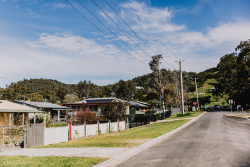
Community, business, landowner, service provider and internal engagement tested assumptions and embedded inclusion from the outset. The model prioritised housing close to services, jobs, schools, transport and community infrastructure, supporting older residents, young people, lower-income households, essential workers and disaster-affected communities.
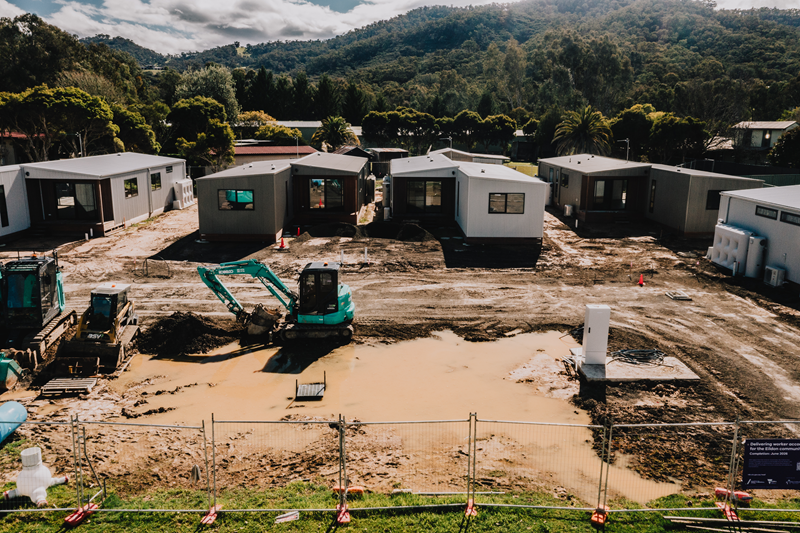

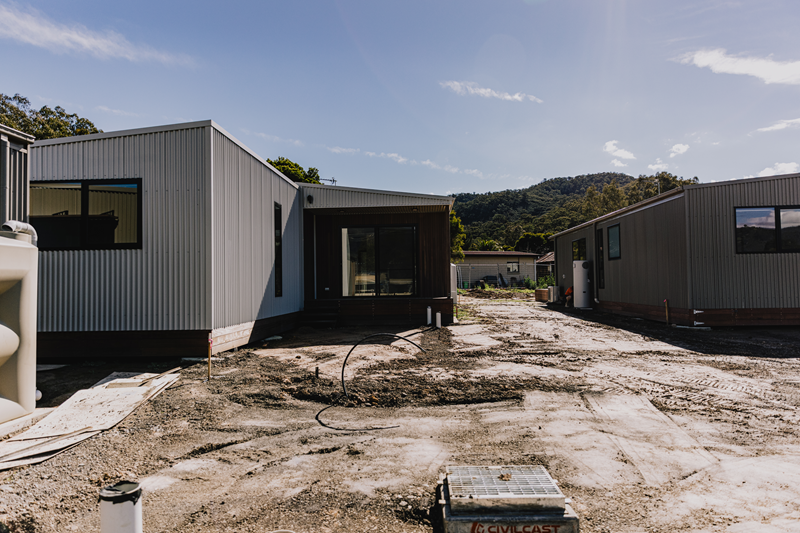
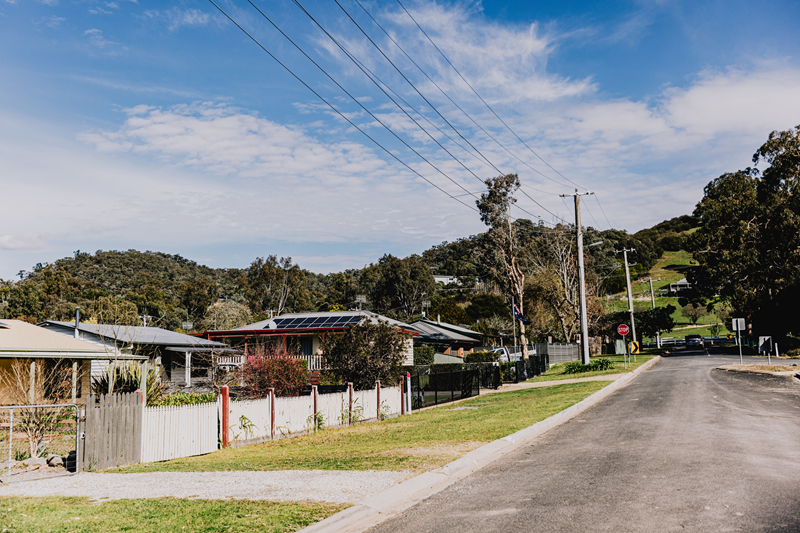

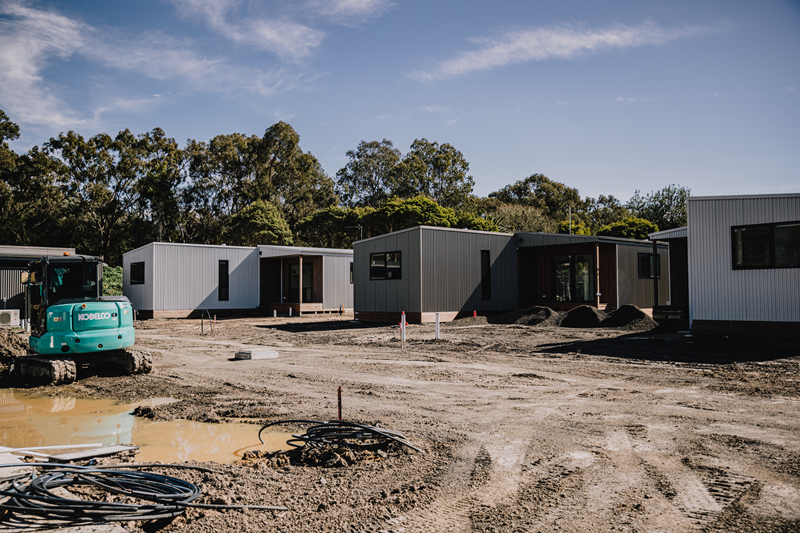


This project changed council’s capability by changing how decisions are now made. Planning, housing, infrastructure, economic development and resilience are no longer treated as separate work streams; they are assessed together as part of one delivery system.
Project impacts and short-term outcomes:
The project changed what Council can now deliver, not just what it has adopted. Within the project period, Murrindindi moved from identifying housing and growth pressures to creating practical pathways for decisions, investment and construction.
The clearest proof point is the Eildon Key Worker Housing Project. The Key Worker Housing Strategy helped shift workforce accommodation from a known problem to a funded delivery priority, with Council committing land, funding leverage and leadership to progress homes for essential workers. This demonstrates that the work is already moving beyond policy into built-form outcomes.
Planning decisions are also clearer and faster. The Residential Design Guidelines now give applicants, developers and officers a shared basis for assessing neighbourhood character, climate-responsive design, landscaping, access and liveability. This reduces uncertainty and lifts expectations before proposals reach formal assessment.
The Yea Structure Plan and Alexandra East Development Plan have converted broad growth pressure into mapped, place-based pathways for township expansion, infill, servicing and access. Sites and precincts can now be discussed against agreed constraints and opportunities, rather than treated as isolated development proposals.
The project has also changed where growth is directed. Council now has stronger justification to prioritise serviced, consolidated and lower-risk township locations over dispersed expansion into hazard-prone or infrastructure-constrained areas. Bushfire, flood, environmental and infrastructure constraints are embedded earlier in decision-making, supporting safer settlement patterns.
For inclusion, the tangible change is better-located housing opportunity: closer to jobs, services, schools, community facilities and transport connections. This directly supports older residents, young people, essential workers, lower-income households and people with limited transport options by making equity a design and location requirement, not an afterthought.
Capability and long-term impacts:
This project changed council’s capability by changing how decisions are now made. Planning, housing, infrastructure, economic development and resilience are no longer treated as separate work streams; they are assessed together as part of one delivery system.
The clearest long-term shift is financial discipline in growth planning. Future township and precinct decisions can now be tested against infrastructure capacity, servicing costs, hazard exposure, workforce need and housing yield before council commits to growth directions. This means proposals are not considered only on land availability or community demand, but on whether they support safer settlement patterns and avoid creating costly, dispersed infrastructure obligations.
For example, infill and township consolidation are now stronger default considerations because they make better use of existing roads, drainage, open space and community infrastructure. Similarly, growth areas can be assessed earlier against bushfire, flood, environmental and access constraints, reducing the risk of advancing land that is difficult, unsafe or expensive to service.
The project has also strengthened council’s delivery culture. Strategic planning, economic development, infrastructure and community engagement teams now have a shared framework for moving from evidence to design guidance, structure planning, investment readiness and implementation. This repeatable model can be applied to future township planning, housing projects and recovery priorities.
Partnership capability has also improved. Engagement with landowners, developers, service providers, consultants and community stakeholders created a clearer basis for shared decisions about where housing should occur, what design quality is expected and what infrastructure is needed.
The enduring impact is a more resilient operating model: Council can respond to housing shortages, workforce pressures, climate risk and growth demand with coordinated, evidence-based decisions that protect community outcomes and long-term financial sustainability.
Scalability and transferability:
This model is transferable because it has already been tested across different township contexts, project types and delivery stages in a low-resource rural council environment. It links strategic housing analysis, residential design, structure planning, precinct planning and key worker housing delivery into one repeatable pathway.
Its strength is that it does not depend on major new systems or large capital programs. It uses tools every council already has; evidence, engagement, planning controls, design guidance, land use decisions and partnerships, but sequences them so each stage unlocks the next.
For other councils, the transferable lesson is not a template to copy, but a discipline to apply: start with the defining local pressure, connect it to land use and infrastructure decisions, and then identify where Council can actively enable delivery.
In Murrindindi, this approach has been applied through design guidelines, the Yea Structure Plan, the Alexandra East Development Plan and the Eildon Key Worker Housing Project. That spread matters: it shows the model can work across design quality, growth planning, land supply and housing delivery, not just within one project.
The model is particularly relevant for councils facing housing shortages, workforce constraints, increasing bushfire and flood risk, limited staff capacity and pressure to protect local character while accommodating growth. It shows that small councils can create meaningful leverage by aligning decisions earlier, rather than waiting for perfect conditions or major external investment.
It also provides sector value through practical knowledge sharing: evidence frameworks, engagement approaches, design principles, sequencing methods and implementation lessons can be adapted to different settlement patterns, hazard profiles and governance settings.
The approach contributes to SDG 11, SDG 8, SDG 13 and SDG 10 by supporting safer settlements, workforce stability, climate-aware planning and more equitable access to housing close to services, jobs and community infrastructure.